
Web design and SEO marketing are two powerful forces that, when combined, can skyrocket your online presence. At Tosten Marketing, we’ve seen firsthand how a well-designed website can significantly boost search engine rankings and user engagement.
In this post, we’ll explore the critical connection between these two disciplines and provide practical tips for leveraging both to maximize your digital success.
How Web Design Impacts SEO
Web design significantly influences your website’s search engine performance. The choices you make in design can dramatically improve your site’s visibility and user engagement.
The Power of First Impressions
Users form design opinions in as little as 50 milliseconds, according to a Google study. This snap judgment can determine your site’s success.
Poor design results in high bounce rates, signaling to search engines that your content lacks value. Conversely, an engaging, professional design keeps users on your site longer, reducing bounce rates and improving your SEO performance.
Mobile-First: A Necessity
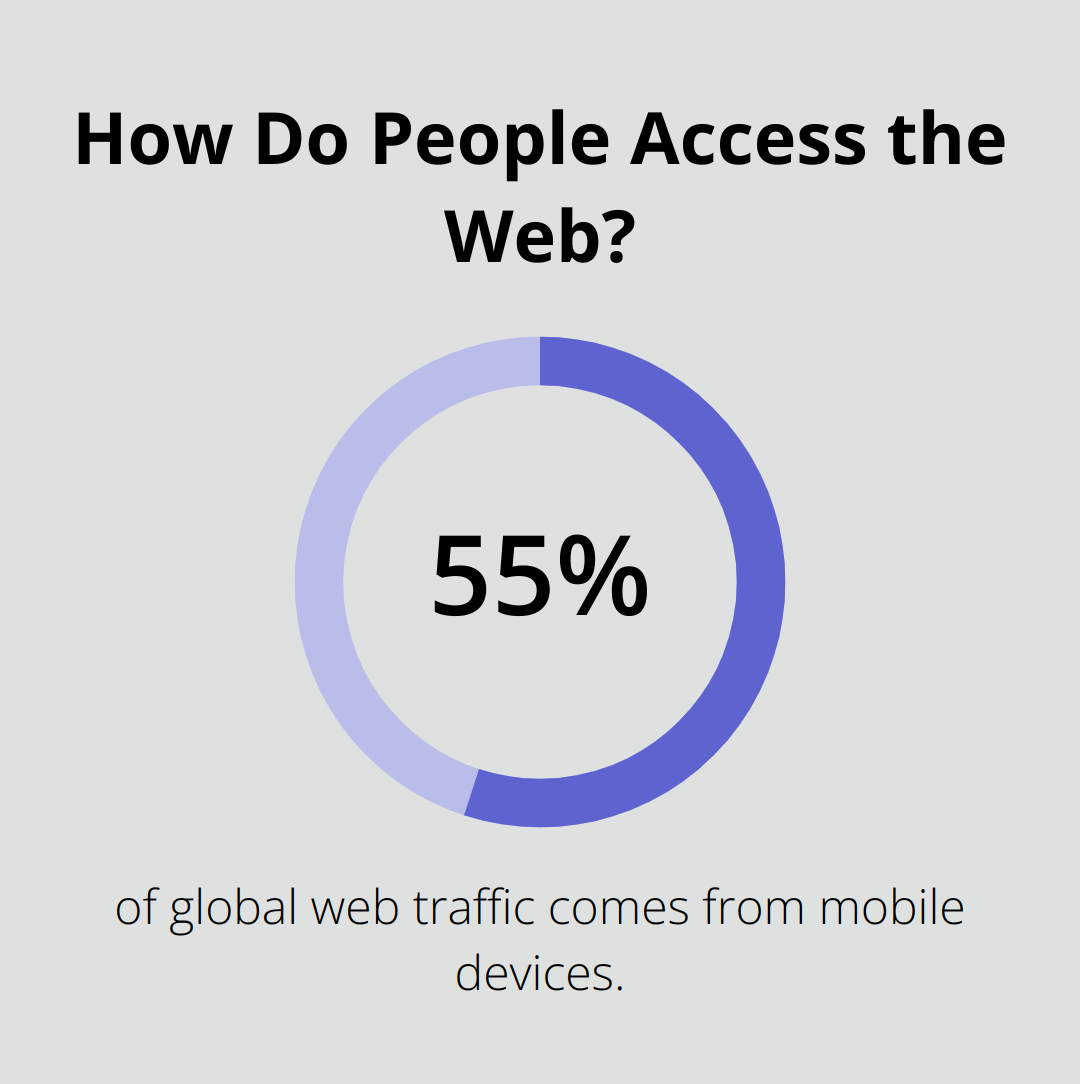
Mobile devices account for over 55% of global web traffic, making a mobile-friendly site essential. Google’s mobile-first indexing considers the mobile version of your site as the primary version for ranking.
A responsive design adapts seamlessly to different screen sizes, providing a consistent, user-friendly experience across all devices. This approach satisfies users and meets Google’s mobile-first criteria, directly impacting your search rankings.
Speed and Performance: Silent SEO Killers
Site speed critically affects both user experience and SEO. Website loading speed plays a vital role in driving conversions and achieving business success. Slow-loading websites not only frustrate users but also lead to high bounce rates and missed conversion opportunities. Google has also confirmed that site speed is a ranking factor.
Speed isn’t just about fast servers; it’s deeply intertwined with your site’s design. Large, unoptimized images, excessive plugins, and complex layouts can slow down your site. Creating lean, efficient designs that load quickly without sacrificing visual appeal is key.
Techniques to boost site speed include:
- Implementing lazy loading for images
- Minimizing HTTP requests
- Leveraging browser caching
These optimizations improve user experience and send positive signals to search engines, enhancing overall SEO performance.
Visual Hierarchy and Content Structure
A well-structured website with clear visual hierarchy helps both users and search engines understand your content. Use headers (H1, H2, H3) to organize information logically. This structure aids in readability for users and helps search engines interpret the importance of different content sections.
Optimized Images and Multimedia
Images and multimedia can enhance user engagement, but they need optimization for SEO. Use descriptive file names and alt tags for images. Compress images to reduce file size without sacrificing quality. For videos, include transcripts and optimize titles and descriptions.
The competitive world of online marketing requires every advantage. A well-designed website isn’t just visually appealing-it’s a powerful tool for climbing search rankings and engaging your audience. These key design elements lay a solid foundation for SEO success. Let’s explore how to balance aesthetics with SEO requirements in the next section.
How to Optimize Your Website for SEO
At Tosten Marketing, we’ve witnessed numerous websites fall short of their potential due to inadequate SEO integration. Let’s explore the key elements that transform a website into a search engine powerhouse while maintaining visual appeal.
Navigation: The Backbone of User Experience
Website navigation plays a vital role for both users and search engines. A clear, logical menu helps visitors quickly find what they need, which reduces bounce rates and increases time on site. Search engines use your navigation to understand the context of each page and how they are related. Poor navigation can negatively affect SEO, indicating an unsatisfactory user experience.
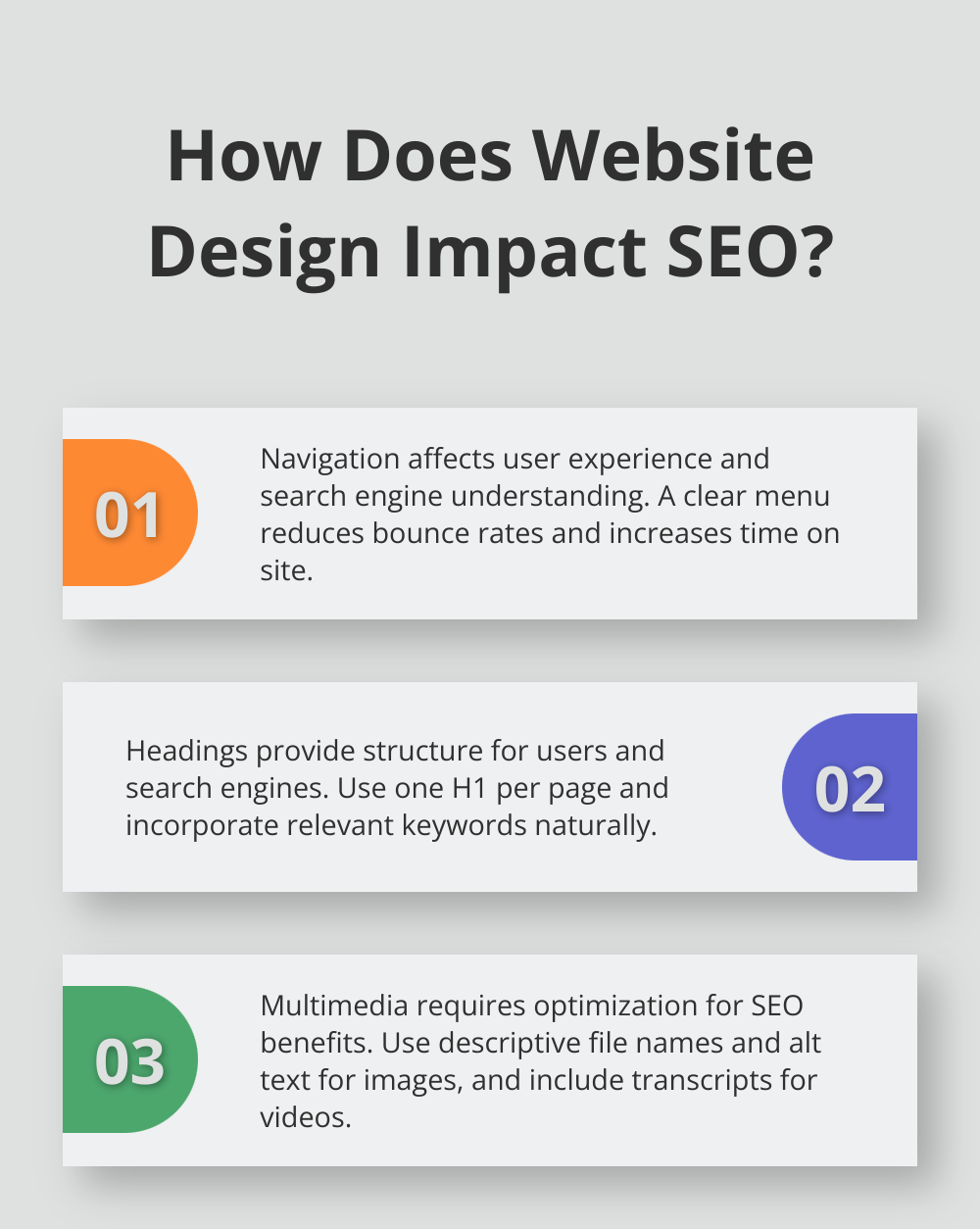
Implement a flat site architecture (keeping important pages no more than three clicks from the homepage). Use descriptive, keyword-rich anchor text for your menu items. For instance, replace generic terms like “Services” with specific ones such as “Insurance Coverage Options.”
Headings: Guiding Users and Search Engines
Proper use of headings (H1, H2, H3) is essential for SEO. They provide structure to your content, making it easier for users to scan and for search engines to understand the information hierarchy.
Use only one H1 tag per page, typically for the main title. Follow with H2s for main sections and H3s for subsections. Incorporate relevant keywords naturally into these headings. An H2 might read “Comprehensive Auto Insurance Coverage” rather than just “Our Services.”
Multimedia Optimization: Beyond Visual Appeal
Images and videos can significantly enhance user engagement, but they require proper optimization for SEO benefits. Always use descriptive, keyword-rich file names for your images (e.g., “comprehensive-home-insurance-coverage.jpg” instead of “IMG001.jpg”).
Add alt text to all images, describing the picture’s content and including relevant keywords where appropriate. This helps search engines understand the image content and can improve your rankings in image search results.
For videos, include transcripts on the page. This not only makes your content accessible to a wider audience but also provides additional text for search engines to index. Host videos on your own domain when possible, as this keeps visitors on your site longer.
Internal Linking: Connecting the Dots
A strong internal linking strategy helps distribute page authority throughout your site and guides users to related content. When creating content, look for opportunities to link to other relevant pages on your site.
Use descriptive anchor text for these links, incorporating relevant keywords. Instead of “click here,” use “learn more about our comprehensive auto insurance coverage.”
The goal is to create a seamless user experience while also signaling to search engines the relationships between different pages on your site. This strategy can significantly boost your overall SEO performance and keep visitors engaged with your content for longer periods.
Now that we’ve covered the key SEO elements in web design, let’s explore how to strike the perfect balance between aesthetics and SEO requirements in the next section.
How to Create a Visually Stunning and SEO-Friendly Website
Design with User Experience in Mind
A successful website engages users while remaining search engine friendly. Create a clean, uncluttered layout that guides visitors through your content effortlessly. Use white space to improve readability and focus attention on key elements.
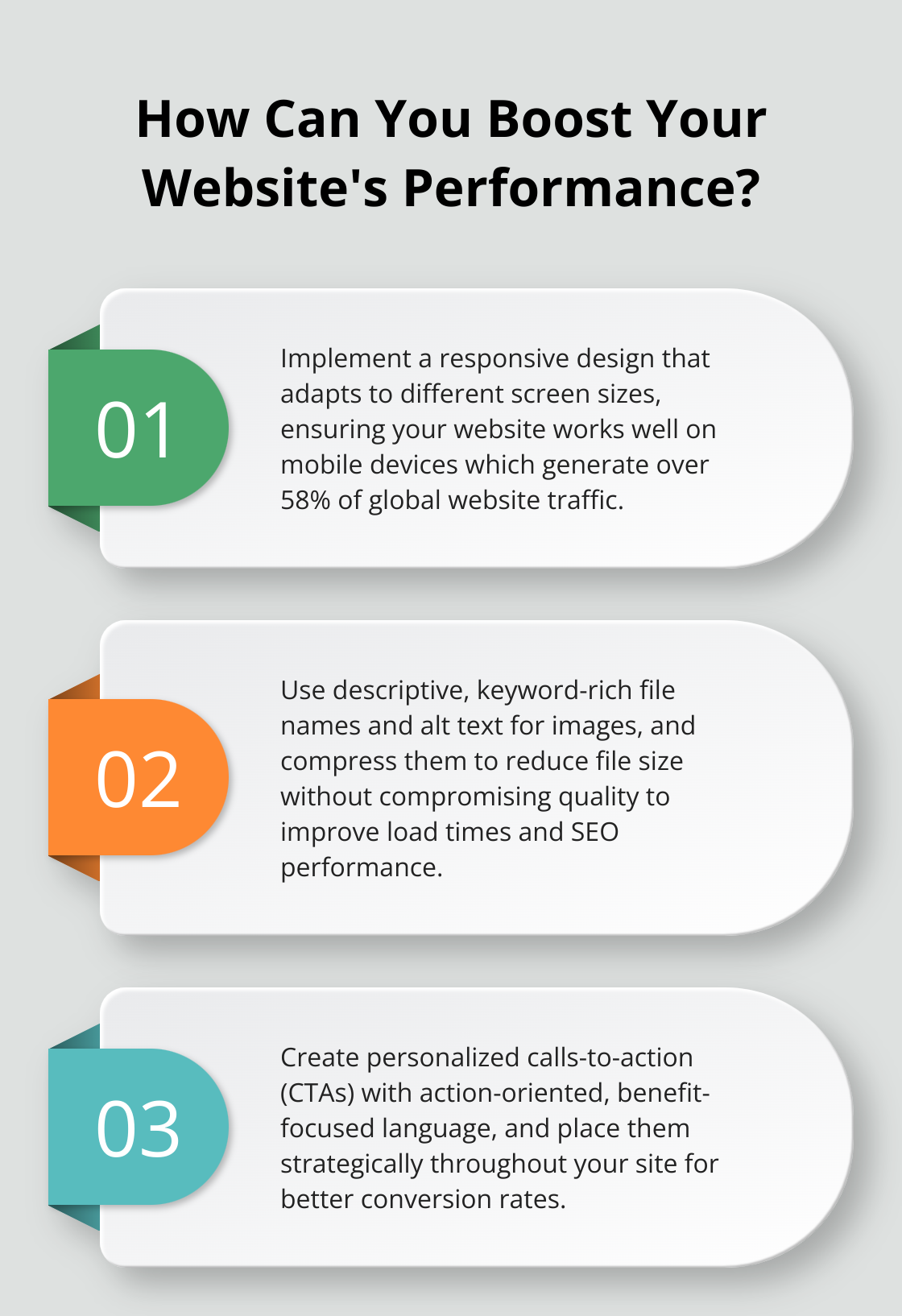
Implement a responsive design that adapts to different screen sizes. This approach enhances user experience and aligns with Google’s mobile-first indexing policy. Mobile devices generated 58.67% of global website traffic in the last quarter of 2023, making mobile optimization essential.
Incorporate Keywords Naturally
Keywords form the backbone of SEO, but their integration should remain subtle and natural. Avoid keyword stuffing, which harms rankings and turns off users. Focus on creating high-quality, informative content that naturally incorporates relevant keywords.
Use keywords in strategic locations such as page titles, headers, and meta descriptions. For example, if you target “comprehensive auto insurance,” use a header like “Understanding Comprehensive Auto Insurance Coverage” rather than simply “Our Services.”
Optimize Visual Elements
Images and videos enhance your website’s appeal, but they need optimization for SEO. Use descriptive, keyword-rich file names and alt text for images. Compress images to reduce file size without compromising quality. This improves load times, which impacts both user experience and SEO.
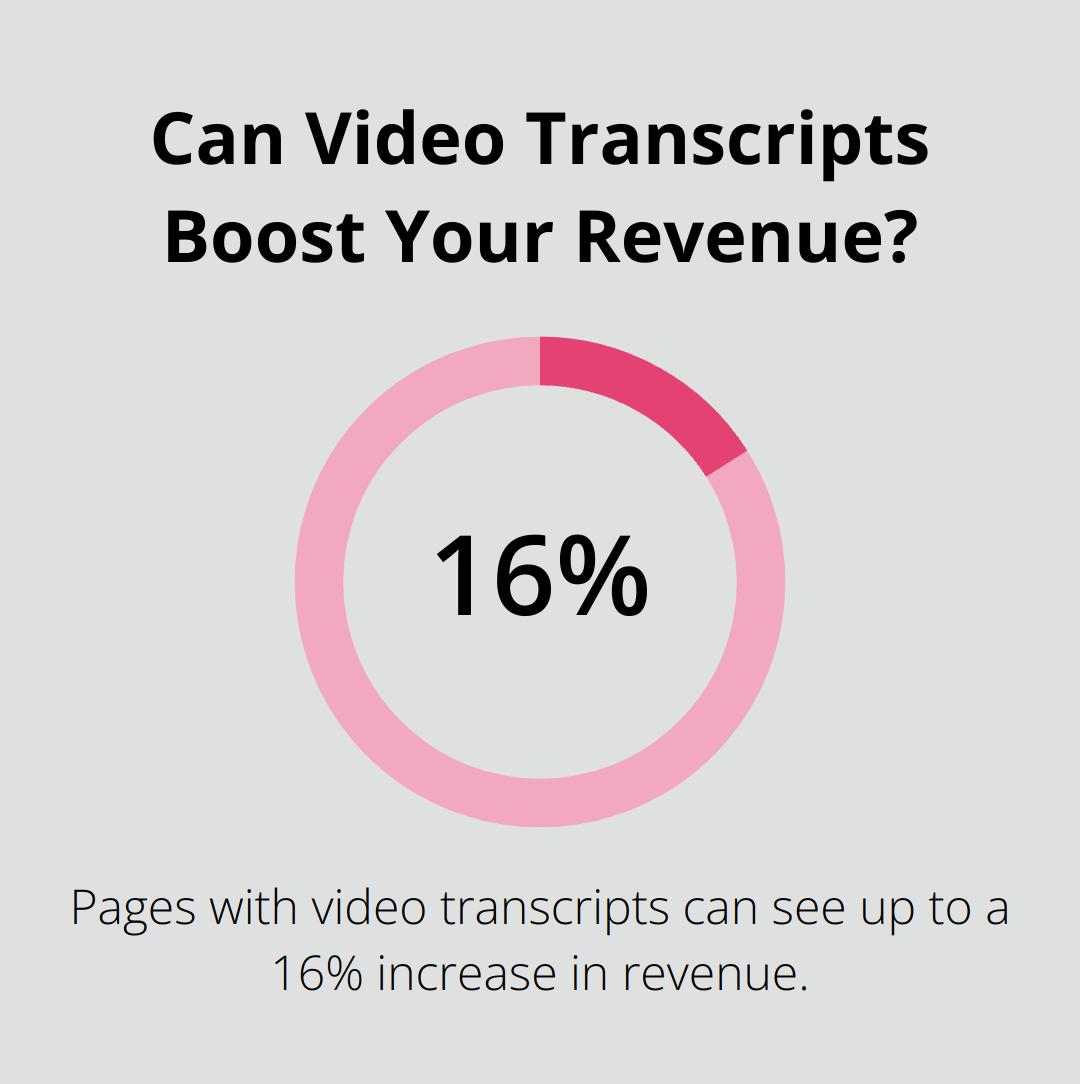
For videos, include transcripts on the page. This makes your content more accessible and provides additional text for search engines to index. Pages with transcripts can see up to a 16% increase in revenue (Moz).
Create Compelling Calls-to-Action
Effective calls-to-action (CTAs) convert visitors into leads or customers. Design CTAs that stand out visually while using action-oriented, benefit-focused language. For example, instead of a generic “Click Here,” use “Get Your Free Insurance Quote Now.”
Place CTAs strategically throughout your site, ensuring visibility without intrusiveness. A/B test different designs and copy to optimize performance. Personalized CTAs perform 202% better than basic CTAs (HubSpot).
Implement Schema Markup
Schema markup improves your website’s visibility in search results. This structured data helps search engines understand your content better, potentially leading to rich snippets in search results. Schema markup can impact Google and other search engine rankings.
Use schema markup to highlight key information such as business details, product information, and customer reviews. This improves your SEO and makes your search listings more informative and attractive to potential visitors.
Final Thoughts
Web design and SEO marketing form a powerful alliance in the digital landscape. A well-designed website serves as the foundation for effective SEO, providing seamless user experience, fast loading times, and clear navigation. These factors significantly influence search engine rankings and user engagement, leading to increased organic traffic and improved conversion rates.
The world of web design and SEO continues to evolve, presenting new challenges and opportunities. From mobile-first design to voice search optimization, staying updated with the latest trends and best practices proves essential for maintaining and improving website performance. This dynamic landscape requires constant adaptation and innovation to stay ahead in the competitive digital marketplace.
Tosten Marketing specializes in creating visually stunning, SEO-optimized websites for insurance agencies. Our comprehensive approach (with over two decades of experience) ensures that your online presence attracts visitors and converts them into loyal customers. We understand the intricate relationship between web design and SEO, helping businesses create powerful tools for growth and success in the digital age.