

Insurance broker lead generation is a critical aspect of growing a successful brokerage. At Tosten Marketing, we’ve seen firsthand how effective strategies can transform a broker’s business.
In this post, we’ll explore proven methods to attract and convert potential clients. From digital marketing tactics to traditional outreach, we’ll cover a range of approaches that yield results.
How Digital Marketing Boosts Insurance Lead Generation
Digital marketing has transformed lead generation for insurance brokers. Online tactics yield significant results in attracting quality leads.
Maximize Your Website’s Potential
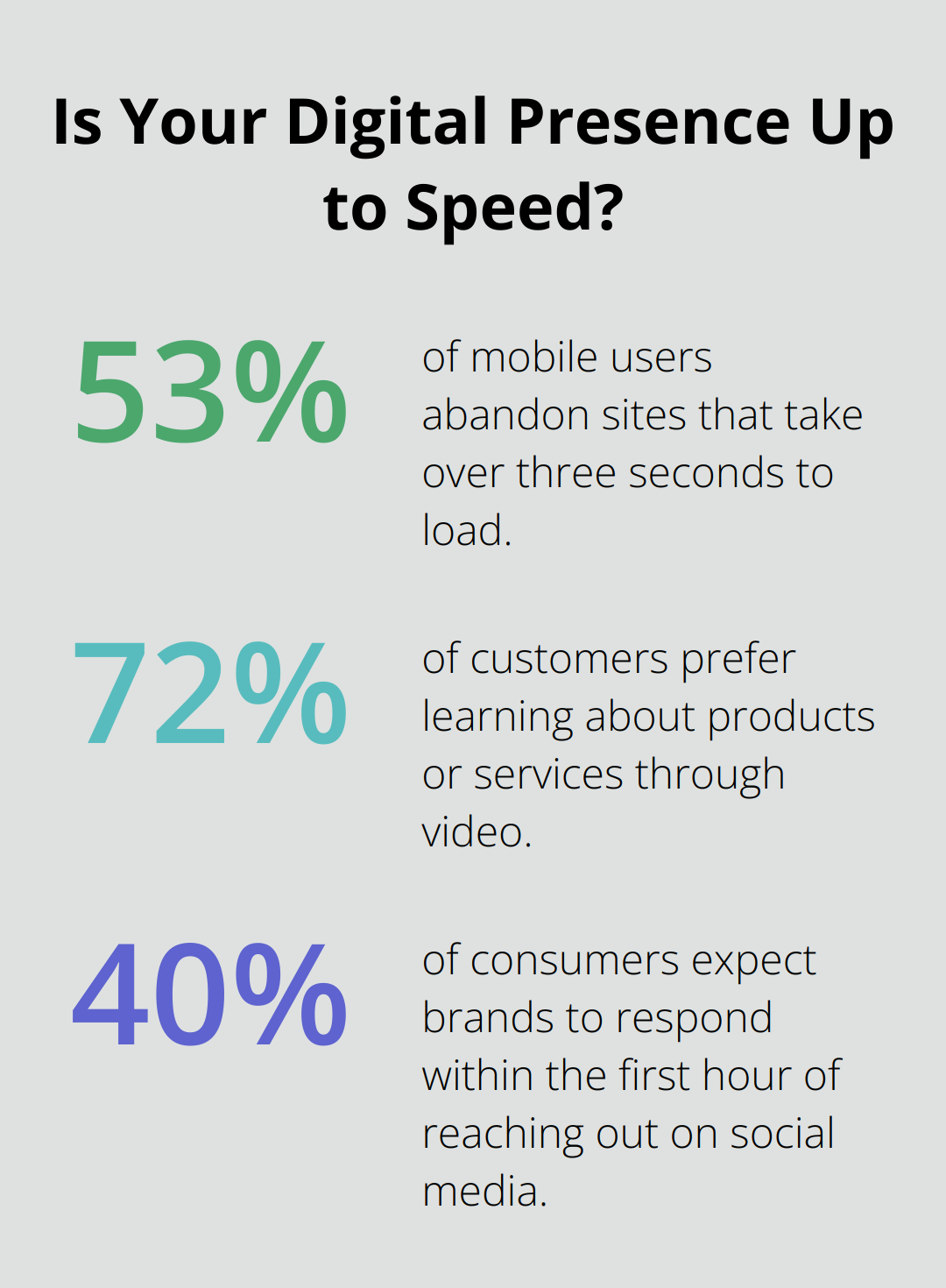
Your website serves as your digital storefront. It must be fast, secure, and user-friendly. Google reports that 53% of mobile users abandon sites that take over three seconds to load. To boost speed, optimize images, leverage browser caching, and use a content delivery network (CDN).
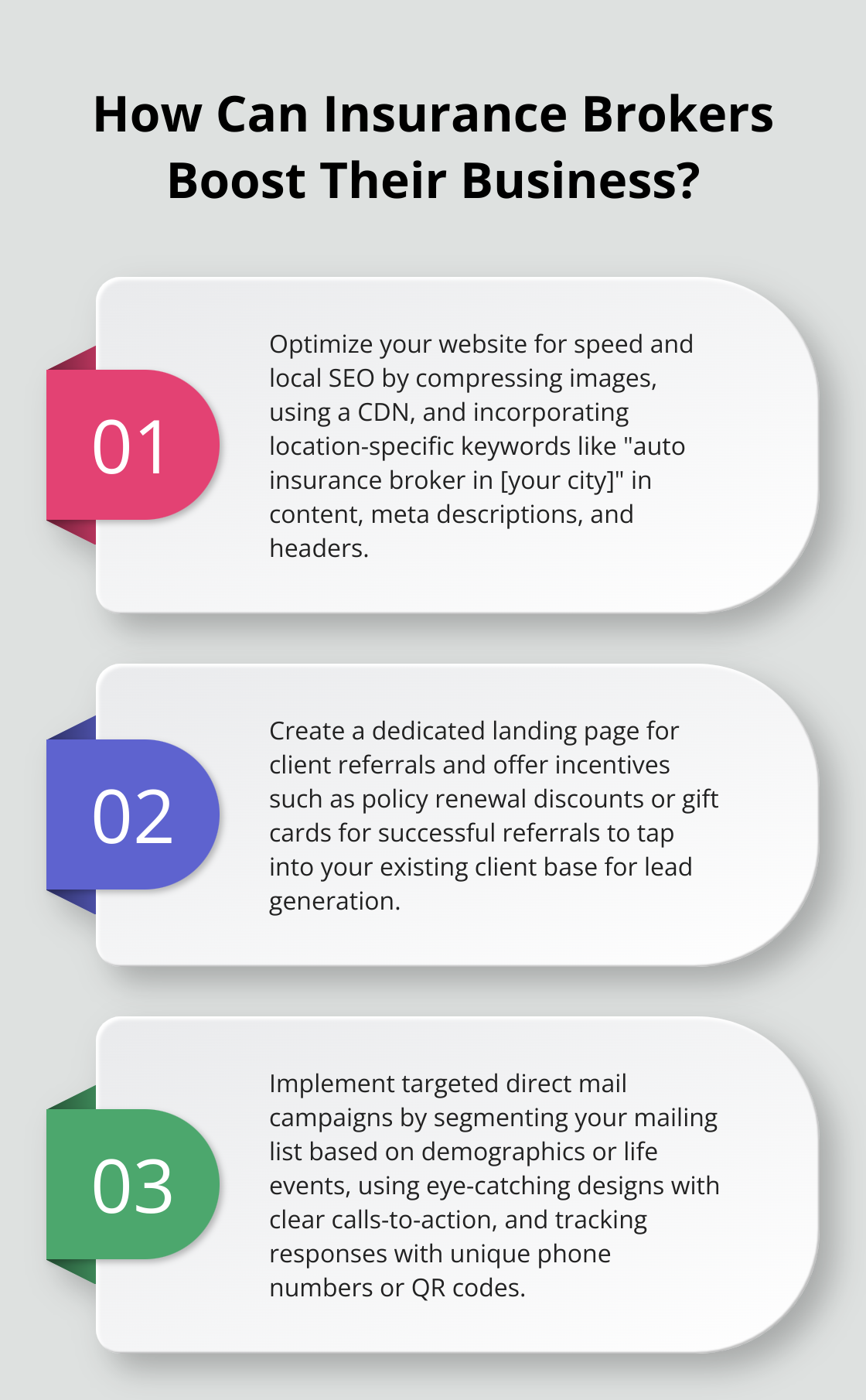
For search engine optimization (SEO), focus on local keywords. Use phrases like “auto insurance broker in [your city]” to drive targeted traffic. Incorporate these phrases naturally in your content, meta descriptions, and headers.
Create Content That Converts
Valuable content attracts potential clients. Write blog posts that address common insurance questions or explain complex policies simply. A post titled “5 Things Every Homeowner Should Know About Flood Insurance” can attract homeowners in flood-prone areas.
Video content proves particularly effective. The Insurance Information Institute reports that 72% of customers prefer learning about products or services through video. Create short explainer videos about different types of insurance policies to engage your audience.
Harness Social Media Power
Social media platforms offer unique opportunities to connect with potential clients. LinkedIn excels at B2B lead generation in the insurance sector. Share industry insights, client success stories, and tips to establish your expertise.
Facebook’s targeted advertising allows you to reach specific demographics. You could target new homeowners in your area with ads about homeowners insurance (a smart move for any broker).
Engage with your audience actively. Respond to comments and messages promptly. Sprout Social found that 40% of consumers expect brands to respond within the first hour of reaching out on social media.
Measure and Adjust Your Strategy
Use analytics tools to track your digital marketing efforts. Google Analytics 4 can help measure content performance and give your team insights into your digital marketing efforts.
Review these metrics regularly and adjust your strategy. If a particular type of content or platform performs well, allocate more resources to it.
Digital marketing strategies significantly increase lead generation for insurance brokers. The key lies in providing value that sets you apart from the competition. Now, let’s explore how implementing referral programs and networking strategies can further enhance your lead generation efforts.
How to Build a Powerful Referral Network
Insurance brokers thrive on relationships. A robust referral network can significantly increase lead generation. Let’s explore how you can build and leverage these connections effectively.
Tap into Your Existing Client Base
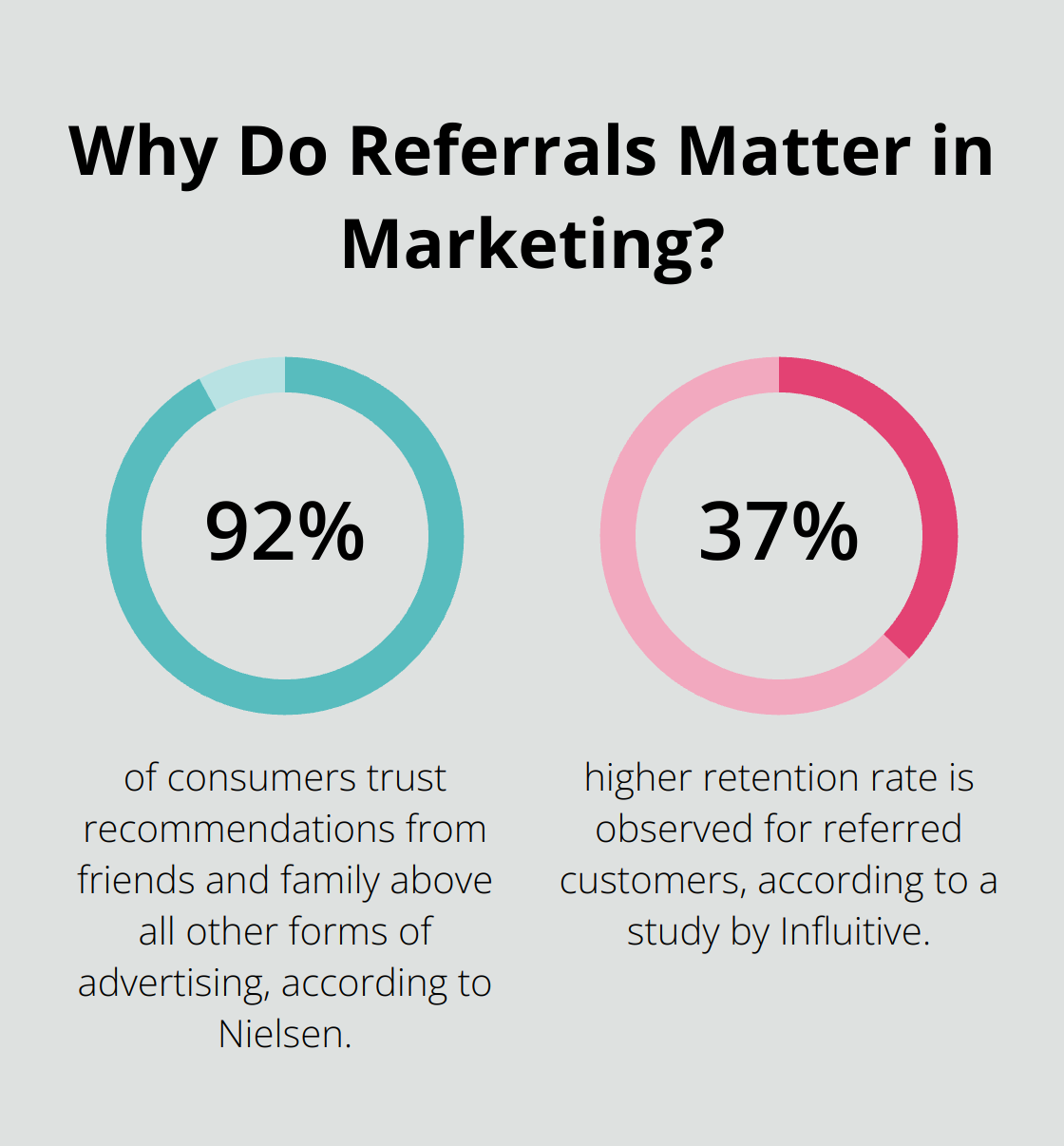
Your current clients are your best advocates. Nielsen reports that 92% of consumers trust recommendations from friends and family above all other forms of advertising. Start by identifying your most satisfied clients. Contact them personally, explain how referrals help your business grow. Be specific about the type of clients you seek.
Create a simple referral process. Set up a dedicated landing page for referrals on your website. This simplifies the process for clients to share your services. Consider offering incentives for successful referrals (such as a discount on their next policy renewal or a gift card).
Form Strategic Partnerships
Look beyond your immediate circle. Identify professionals whose services complement yours. Real estate agents, mortgage brokers, and financial advisors often work with clients who need insurance.
Approach these professionals with a clear value proposition. Explain how a partnership can benefit both parties. You could offer to educate their clients about insurance needs related to their services. In return, ask for introductions to clients who might need your expertise.
Schedule regular check-ins with your partners to maintain the relationship. Share success stories and discuss ways to improve the partnership. The goal is to create a mutually beneficial arrangement that generates leads for both parties.
Maximize Industry Events
Industry events are goldmines for networking. The Insurance Information Institute reports that there are over 5,900 insurance companies in the U.S., including accident and health insurance companies.
Before attending an event, research the attendees and speakers. Identify key people you want to meet. Prepare an elevator pitch that clearly explains your unique value proposition.
During the event, focus on quality conversations rather than collecting business cards. Ask thoughtful questions and listen actively. Follow up within 48 hours after the event with a personalized message referencing your conversation.
Consider speaking at these events. Sharing your expertise positions you as an authority in your field, attracting potential clients and partners alike.
A study by Influitive found that referred customers have a 37% higher retention rate. These strategies will create a sustainable source of high-quality leads for your insurance brokerage. Now, let’s explore how traditional marketing methods can complement your digital and networking efforts to create a comprehensive lead generation strategy.
How Traditional Marketing Boosts Your Insurance Leads
Traditional marketing methods remain powerful tools for insurance brokers. These time-tested strategies yield impressive results when used effectively. Let’s explore how you can leverage these methods to complement your digital efforts and boost your lead generation.
Targeted Direct Mail Campaigns
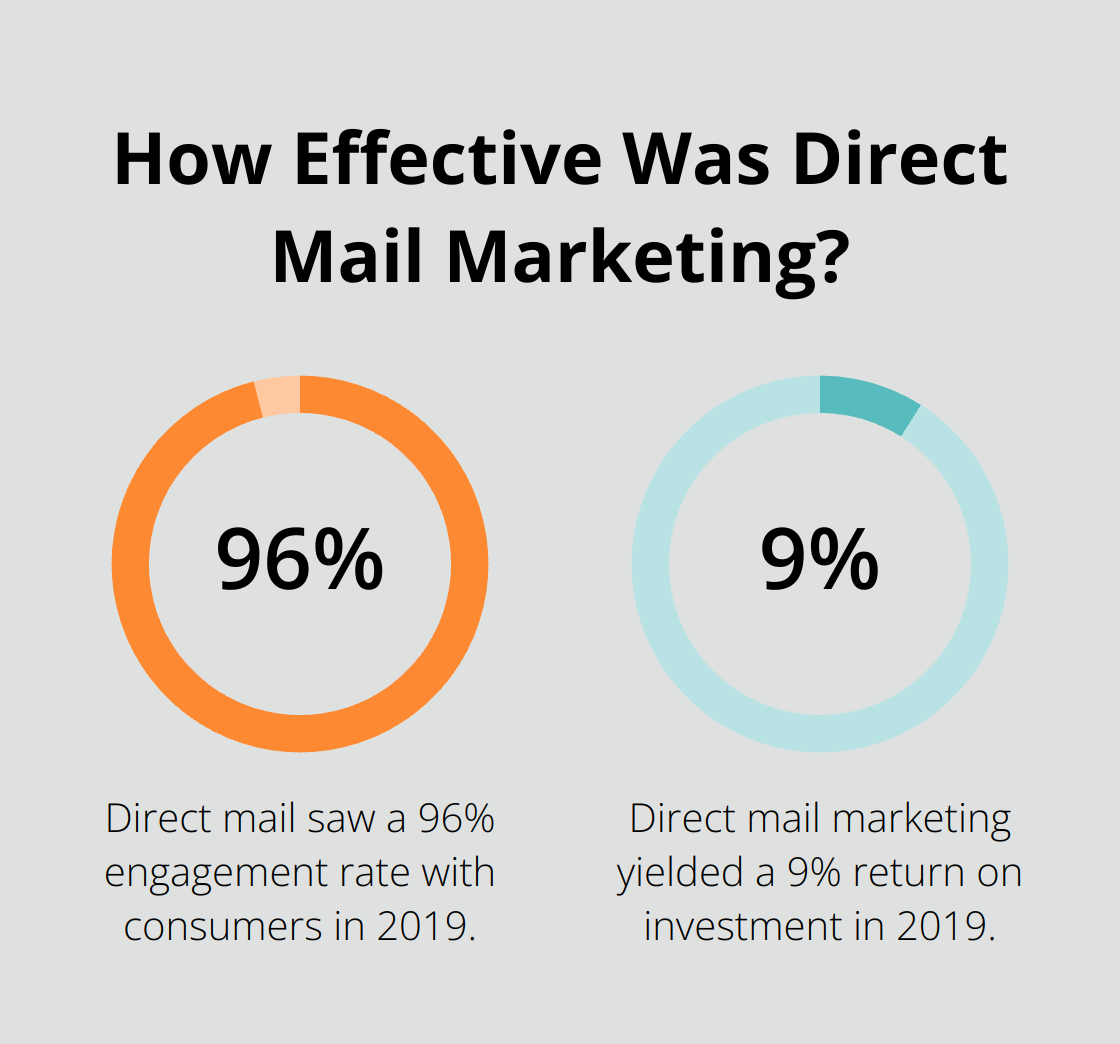
Direct mail proves a potent tool for insurance brokers. Direct mail saw a 96% engagement rate with consumers in 2019 and a generous 9% return on investment.
To maximize effectiveness, segment your mailing list based on demographics, life events, or insurance needs. Target new homeowners with information about homeowners insurance. Use eye-catching designs and clear calls-to-action. Include a personalized offer or free consultation to incentivize responses.
Track your campaigns using unique phone numbers or QR codes. This allows you to measure response rates and refine your approach for future mailings.
Strategic Cold Calling
Cold calling can still be effective when done strategically. However, it’s important to note that cold calling has only a 2.5% success rate, according to a study from Kenan-Flagler Business School. The key lies in preparation and personalization. Research your prospects before calling. Understand their potential insurance needs based on publicly available information.
Craft a concise, value-focused script. Start by asking about their current insurance situation and any pain points they experience (instead of launching into a sales pitch). Listen actively and tailor your responses to their specific needs.
Set realistic goals for your cold calling efforts. Persistence pays off, but balance it with other lead generation methods.
Community Engagement and Local Advertising
Local involvement can significantly boost your visibility and credibility. Sponsor local events or sports teams. Volunteer for community organizations. These activities not only generate goodwill but also put you in direct contact with potential clients.
Consider targeted local advertising. Local newspapers and radio stations often have loyal followings. Create ads that address local concerns or highlight your community involvement.
Partner with other local businesses for cross-promotion. Team up with a local car dealership to offer insurance information to new car buyers. This approach provides value to the partner business while generating leads for you.
The key to successful traditional marketing lies in integration with your digital efforts. Use consistent messaging across all channels. Direct mail recipients should find the same offers and branding on your website. Cold calls should reference your online resources. Creating a seamless experience will maximize the impact of both your traditional and digital marketing efforts.
Final Thoughts
Insurance broker lead generation requires a strategic blend of digital marketing, networking, and traditional outreach methods. You must optimize your website, create valuable content, and leverage social media platforms to attract potential clients in the digital space. Building a strong referral network through existing clients, strategic partnerships, and industry events will amplify your reach. Traditional marketing methods like targeted direct mail, cold calling, and community engagement complement these efforts, creating a comprehensive approach to lead generation.
The key to success lies in adopting a multi-channel strategy. Each method reinforces the others, creating a cohesive and powerful lead generation machine. Digital efforts drive traffic to your website, while networking builds personal connections. Traditional marketing methods reinforce your online presence and local reputation.
Insurance brokers who want to supercharge their lead generation efforts should consider partnering with experts. Tosten Marketing specializes in digital marketing for insurance agencies, offering custom-built websites, SEO services, and content creation to boost your online visibility and lead generation. We can help you implement and optimize these strategies effectively (based on our experience in the industry).