
SEO and content marketing are two powerful strategies that can transform your online presence. When combined effectively, they create a synergy that boosts visibility, drives traffic, and enhances user engagement.
At Tosten Marketing, we’ve seen firsthand how this dynamic duo can yield impressive results for businesses of all sizes. In this post, we’ll explore the key elements of integrating SEO and content marketing to maximize your digital impact.
What Are SEO and Content Marketing?
Defining SEO and Content Marketing
SEO (Search Engine Optimization) optimizes websites and content to rank higher in search engine results pages (SERPs). It encompasses technical aspects like site speed and structure, as well as content-related elements such as keyword usage and link building.
Content marketing involves the creation and distribution of valuable, relevant content to attract and engage a specific audience. This includes blog posts, videos, infographics, and social media content.
The Synergy of SEO and Content Marketing
SEO and content marketing work together to create a powerful digital marketing strategy. High-quality content provides the foundation for effective SEO, while SEO techniques ensure that content reaches its intended audience.
For instance, when creating a blog post for an insurance agency, it’s not enough to focus solely on informative content. The post should also include relevant keywords, meta descriptions, and internal links to improve its search engine visibility.
Tangible Benefits of Integration
The integration of SEO and content marketing offers numerous benefits:
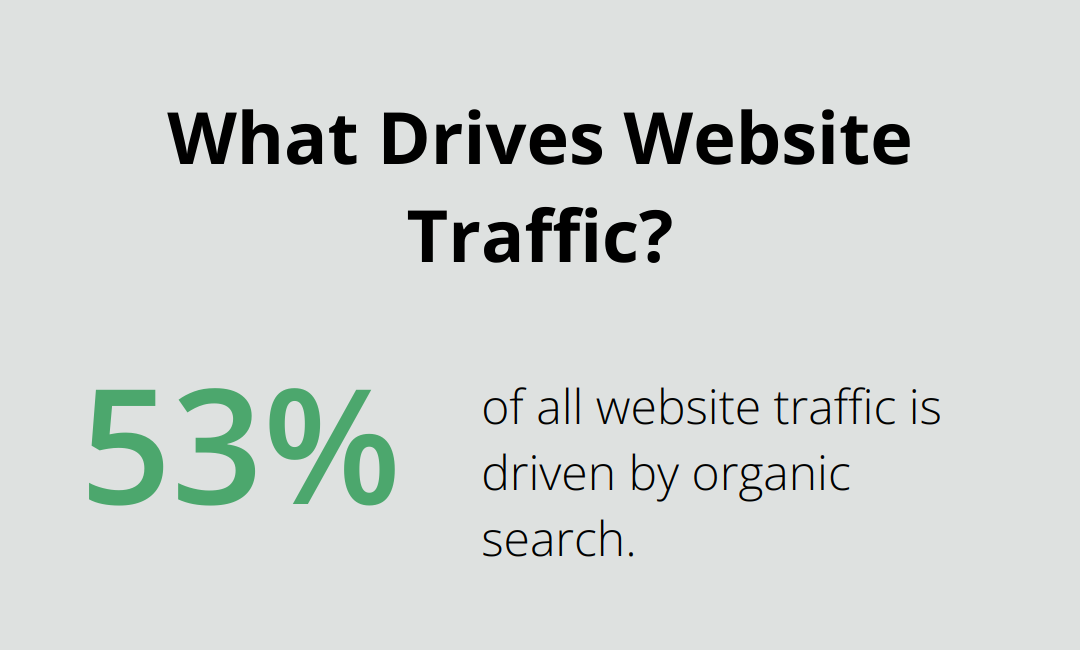
- Increased Organic Traffic: Organic search drives 53% of all website traffic. A combined SEO and content marketing strategy taps into this significant traffic source.
- Higher Conversion Rates: Content that ranks well and provides value to readers is more likely to convert. Some businesses report conversion rate increases of up to 30% when implementing a combined strategy.
- Improved Brand Authority: As content ranks higher in search results, a brand’s perceived authority in the industry grows. This is particularly important in sectors like insurance, where trust is paramount.
- Cost-Effective Marketing: Unlike paid advertising, the effects of SEO and content marketing are long-lasting. SEO generally proves more economical in the long term with an ROI of 500% to 1,300%.
- Better User Experience: SEO best practices often align with good user experience. For example, improving site speed not only helps with rankings but also enhances user satisfaction.
Implementing an Integrated Strategy
To effectively combine SEO and content marketing:
- Conduct thorough keyword research to identify topics your audience is searching for.
- Create high-quality, informative content that addresses these topics (and incorporates relevant keywords naturally).
- Optimize on-page elements like title tags, meta descriptions, and header tags.
- Build high-quality backlinks to your content through outreach and guest posting.
- Regularly analyze and update your content to ensure it remains relevant and valuable.
The next section will explore effective SEO strategies that can enhance your content marketing efforts, helping you achieve better visibility and engagement in the digital landscape.
How to Supercharge Your SEO and Content Strategy
At Tosten Marketing, we’ve refined our approach to SEO and content marketing over two decades. Here’s how you can boost your online presence using our expertise.
Master Keyword Research
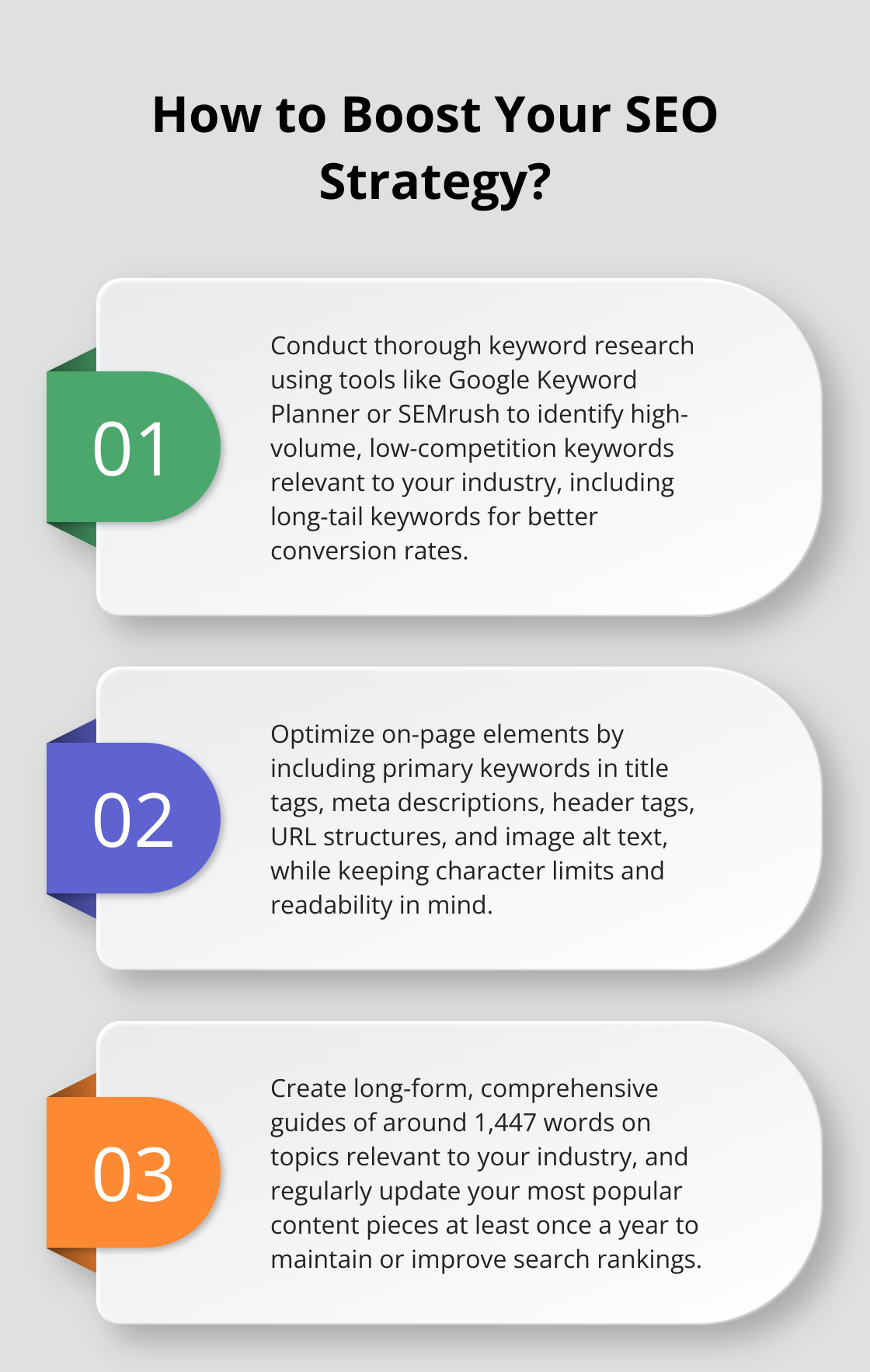
Keyword research forms the foundation of any successful SEO and content strategy. Use tools like Google Keyword Planner or SEMrush to identify high-volume, low-competition keywords relevant to your industry. For insurance agencies, terms like “affordable auto insurance” or “home insurance quotes” might prove valuable targets.
Don’t limit yourself to broad terms. Long-tail keywords, such as “best life insurance for seniors over 70,” often have less competition and higher conversion rates.
Optimize Your On-Page Elements
After you identify your target keywords, optimize your content. This involves more than keyword stuffing. Focus on these key areas:
- Title Tags: Include your primary keyword near the beginning of your title tag (keep it under 60 characters to ensure full display in search results).
- Meta Descriptions: Write compelling meta descriptions to improve click-through rates. Include your target keyword and a clear call-to-action within the 155-160 character limit.
- Header Tags: Use H1 for your main title and H2, H3 for subheadings. Include relevant keywords in these tags to help search engines understand your content structure.
- URL Structure: Create short URLs and include your target keyword. For example, “www.yoursite.com/auto-insurance-guide” trumps “www.yoursite.com/blog/post-123456”.
- Image Alt Text: Describe your images accurately and include relevant keywords where appropriate.
Build Authority Through Strategic Link Building
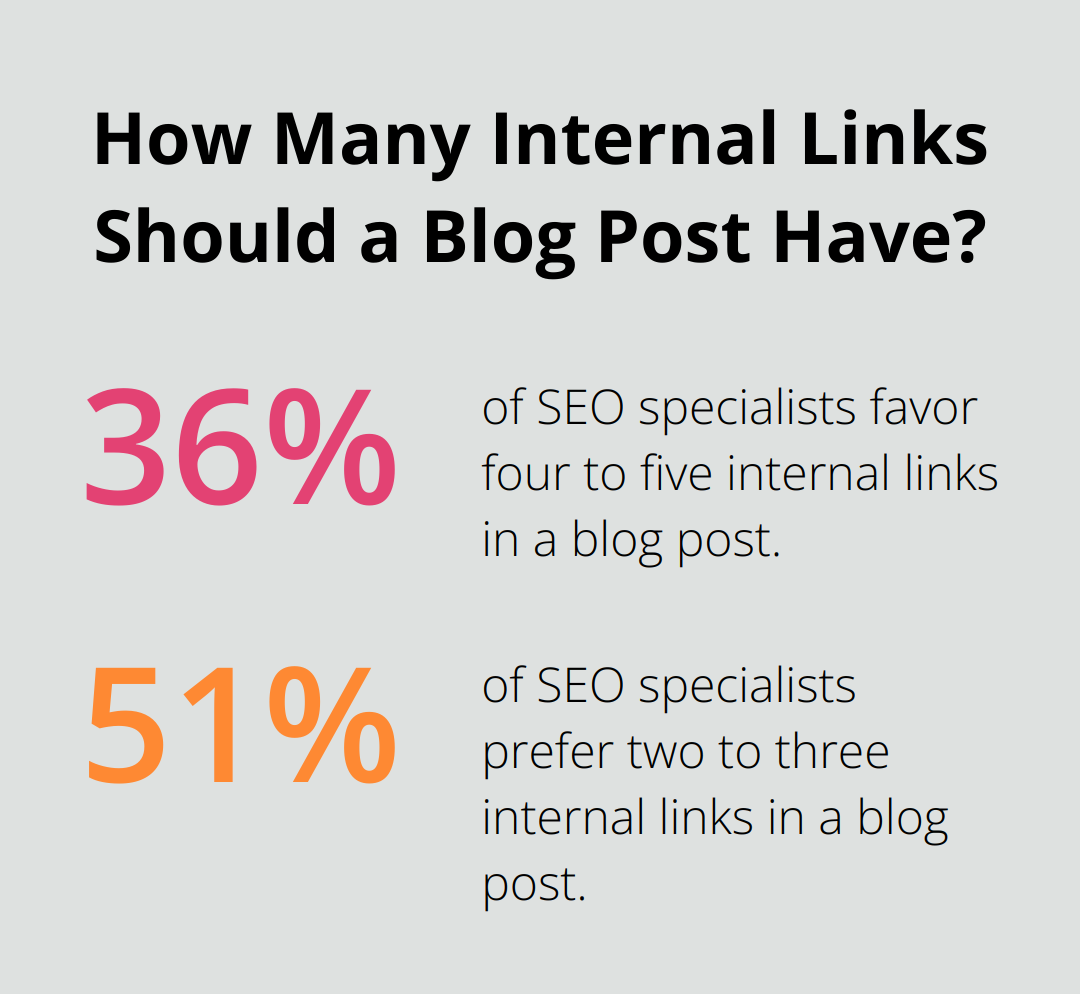
Link building remains a vital aspect of SEO. While 36% of SEO specialists favor four to five internal links in a blog post, a majority of 51% prefer just two to three. Focus on quality over quantity with these effective strategies:
- Create Linkable Assets: Develop high-quality, informative content that others want to link to (this could include industry reports, comprehensive guides, or interactive tools).
- Guest Posting: Contribute articles to reputable industry websites to build backlinks and establish your expertise.
- Broken Link Building: Find broken links on relevant websites and offer your content as a replacement.
- Local Citations: For insurance agencies, ensure consistent NAP (Name, Address, Phone) information across local directories to boost local SEO.
- Leverage Partnerships: Collaborate with non-competing businesses in your industry for mutual link exchanges.
Link building requires patience. Ahrefs reports that only 5.7% of all studied pages ranked in the Top10 search results within 1 year for at least 1 keyword.
Measure and Refine Your Strategy
SEO and content marketing demand ongoing attention. Analyze your performance regularly using tools like Google Analytics and Google Search Console. Track key metrics such as organic traffic, keyword rankings, and conversion rates.
Many businesses achieve significant increases in organic traffic within six months by consistently applying these strategies. However, results vary based on your industry, competition, and current online presence.
As you implement these strategies, you’ll need to create content that resonates with both search engines and users. The next section will explore how to craft SEO-friendly content that engages your audience and drives conversions.
How to Create Content That Ranks and Converts
Focus on High-Value Content Types
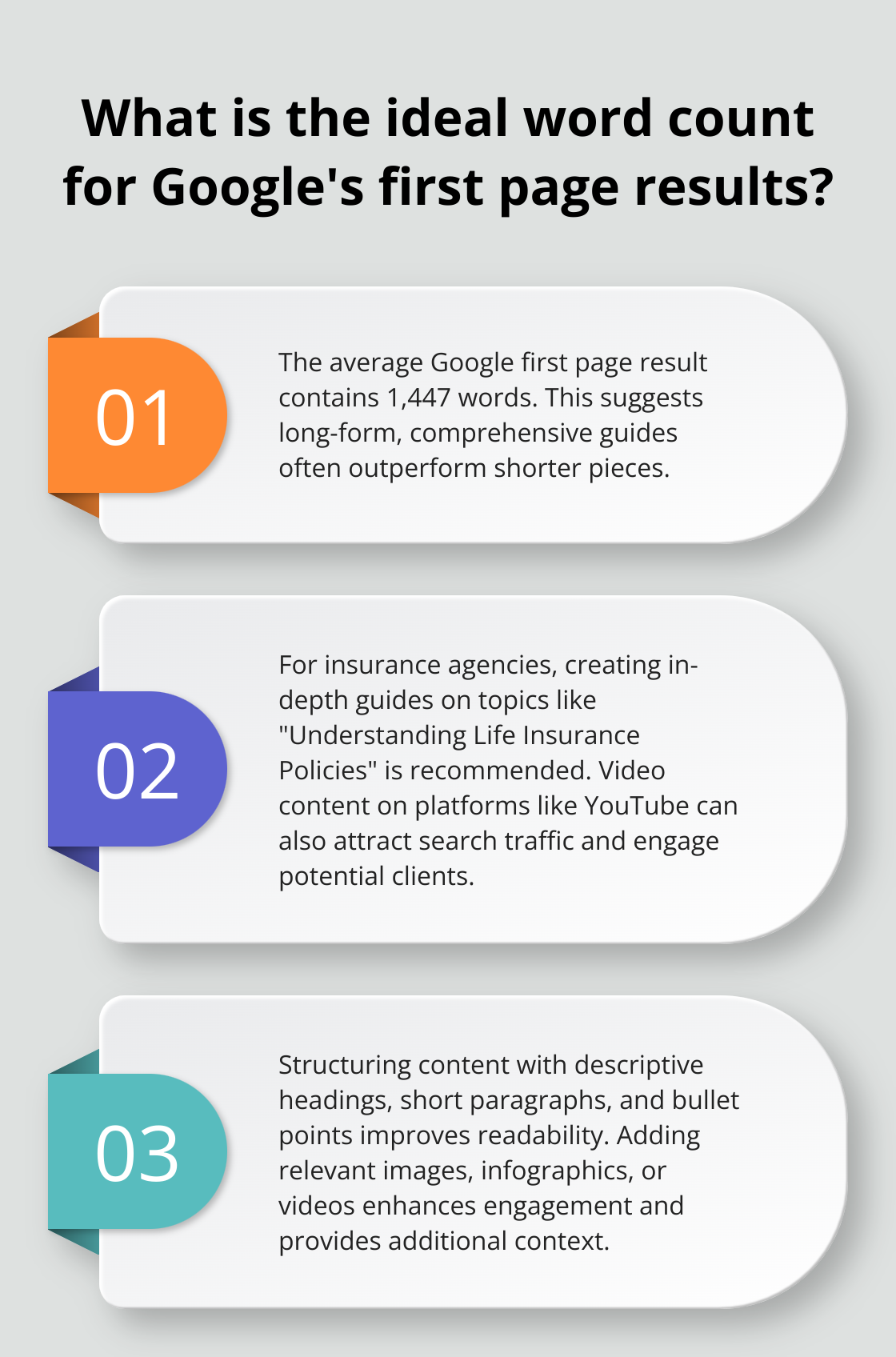
Search engines favor certain types of content. Long-form, comprehensive guides often outperform shorter pieces. A study found that the average Google first page result contains 1,447 words. For insurance agencies, this translates to creating in-depth guides on topics like “Understanding Life Insurance Policies” or “Comprehensive vs. Collision Auto Coverage.”
Video content also proves powerful. YouTube (the second largest search engine) offers another platform for visibility. An informative video series explaining different types of homeowners insurance could attract search traffic and engage potential clients.
Write for Humans, Optimize for Search Engines
Your primary focus should address the questions and concerns of your target audience. For insurance agencies, this might include topics like “How to Lower Your Premium” or “What to Do After a Car Accident.”
After you craft your content, incorporate your target keywords naturally. Avoid keyword stuffing, which can lead to penalties from search engines. Instead, use synonyms and related terms to provide context and depth to your content.
Structure Your Content for Maximum Impact
The structure of your content plays a significant role in both SEO and user experience. Here are some key strategies:
- Use descriptive, keyword-rich headings and subheadings to break up your content and improve scannability.
- Write short paragraphs and sentences to improve readability (especially on mobile devices).
- Use bullet points or numbered lists to highlight key information or steps in a process.
- Add relevant images, infographics, or videos to enhance engagement and provide additional context for your content.
- Optimize your meta title and description to improve click-through rates from search results pages.
Leverage Different Content Formats
Diversify your content portfolio to cater to different user preferences and search intents. Consider these formats:
- How-to guides and tutorials (e.g., “How to File an Insurance Claim”)
- Comparison articles (e.g., “Term vs. Whole Life Insurance: Which Is Right for You?”)
- Expert interviews or Q&A sessions
- Case studies showcasing real-life insurance scenarios and solutions
- Infographics summarizing complex insurance concepts
Update and Refresh Your Content Regularly
Search engines favor fresh, up-to-date content. Regularly review and update your existing content to ensure it remains relevant and accurate. This practice can help maintain or improve your search rankings over time.
Try to update your most popular content pieces at least once a year. Add new information, remove outdated details, and adjust your keyword strategy based on current search trends.
By implementing these strategies, you can boost your online presence and create content that not only ranks well in search engines but also converts visitors into potential clients.
Final Thoughts
SEO and content marketing form a powerful alliance in the digital landscape. These strategies enhance online visibility, engage target audiences, and drive sustainable growth. The synergy between SEO and content marketing creates a virtuous cycle: high-quality content improves search rankings, while better search visibility increases content reach and engagement.
The long-term benefits of an integrated approach are substantial. Businesses that implement SEO and content marketing strategies often see improved organic traffic, higher conversion rates, and increased brand authority. This approach proves more cost-effective than traditional advertising methods, offering a better return on investment over time.
At Tosten Marketing, we help insurance agencies leverage the power of SEO and content marketing. We offer tailored strategies to boost your online visibility, generate leads, and enhance client retention. Our comprehensive services, competitive pricing, and focus on shared success have led to positive results for many clients (as evidenced by our high retention rate).