
At Tosten Marketing, we’ve seen firsthand how digital marketing SEO and SEM can transform businesses. These powerful strategies are essential for online success in today’s competitive landscape.
In this comprehensive guide, we’ll break down the key components of SEO and SEM, explore effective strategies, and show you how to maximize their potential. Get ready to boost your online visibility and drive more targeted traffic to your website.
What Are SEO and SEM?
The Foundation of Online Visibility: SEO
Search Engine Optimization (SEO) improves your website’s visibility in organic search results. This long-term strategy focuses on creating high-quality content, optimizing website structure, and building authoritative backlinks.
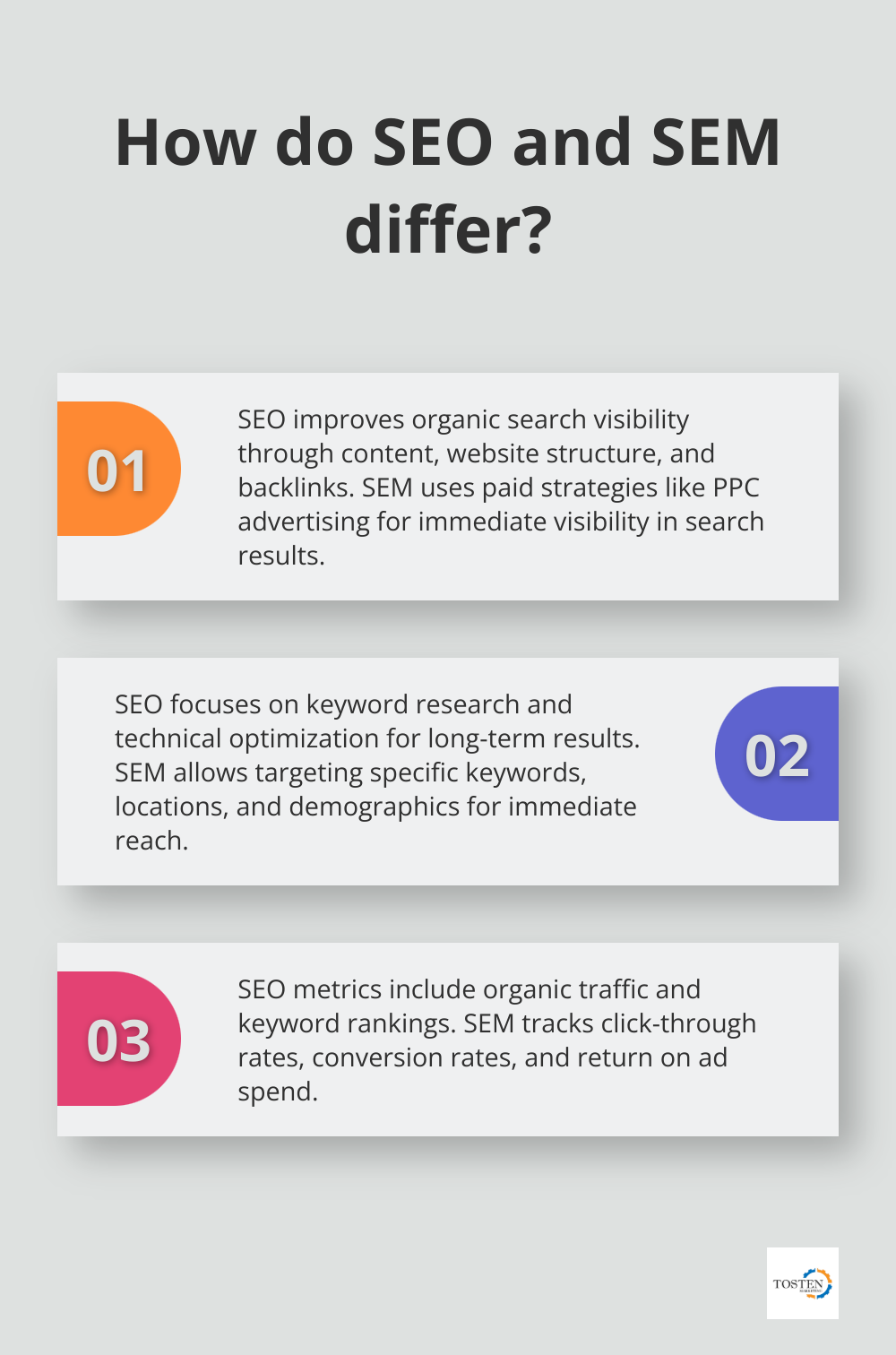
Keyword research forms a key aspect of SEO. You identify terms your potential customers search for and tailor your content to match their needs. An insurance agency might target phrases like “affordable home insurance” or “best auto insurance rates.”
Technical SEO optimizes your website’s speed, mobile-friendliness, and security. A fast, responsive website is crucial for user experience and search engine rankings.
Immediate Visibility and Targeted Reach: SEM
Search Engine Marketing (SEM) uses paid strategies to increase visibility in search engine results pages (SERPs). Pay-per-click (PPC) advertising, the most common form of SEM, charges you each time someone clicks on your ad.
Google Ads, the most popular platform for PPC campaigns, allows you to target specific keywords, locations, and demographics. An insurance agency could run ads targeting “car insurance quotes” in their local area.
Display ads and remarketing offer additional effective SEM tactics. Display ads appear on websites across the internet, while remarketing targets users who have previously visited your site.
The Power of Combining SEO and SEM
SEO and SEM, while distinct strategies, work best in tandem. SEO provides long-term, sustainable results, while SEM offers immediate visibility and precise targeting.
You might use SEM to drive traffic to a new product page while your SEO efforts gain traction. Alternatively, insights from your PPC campaigns could inform your SEO keyword strategy.
Tracking Success in SEO and SEM
Effective use of SEO and SEM requires tracking the right metrics. SEO key performance indicators (KPIs) include organic traffic, keyword rankings, and backlink quality. SEM metrics often focus on click-through rates, conversion rates, and return on ad spend (ROAS).
Tools like Google Analytics and Google Search Console provide valuable insights into user behavior. These insights allow you to continually refine your strategies.
As we move forward, let’s explore effective SEO strategies that can elevate your digital marketing efforts and drive sustainable growth for your business.
How to Supercharge Your SEO Strategy
Master Keyword Research
Keyword research forms the foundation of any successful SEO strategy. Identify your target audience’s search intent. For insurance agencies, this includes terms like “affordable home insurance” or “best auto coverage.”
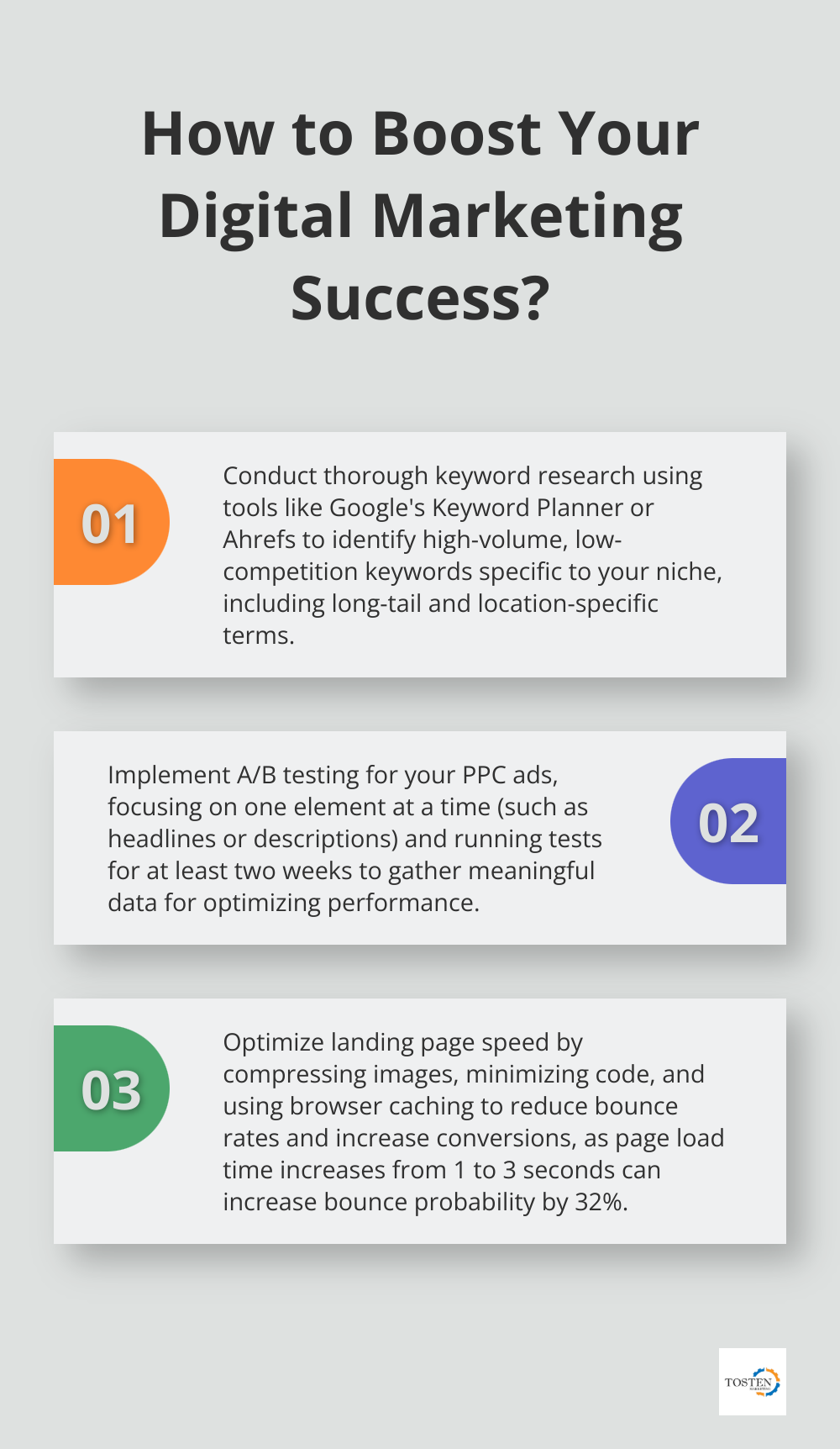
Use tools such as Google’s Keyword Planner or Ahrefs to uncover high-volume, low-competition keywords. Focus on long-tail keywords specific to your niche. “Affordable home insurance for first-time buyers in [your city]” will likely have less competition than just “home insurance.”
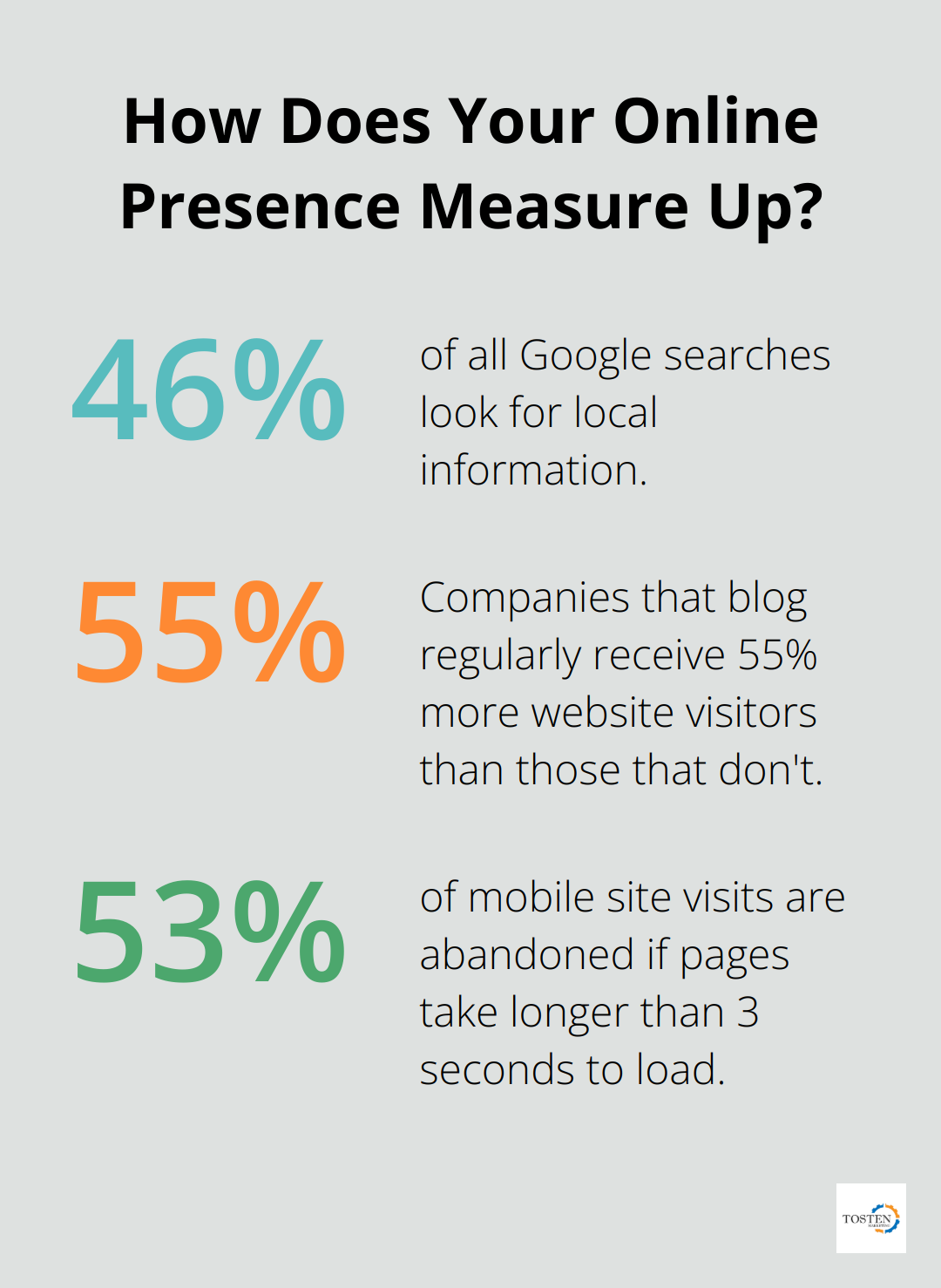
Don’t overlook local SEO. BrightLocal reports that 46% of all Google searches look for local information. Include location-specific keywords in your content and metadata.
Create Content That Converts
After you identify your target keywords, create content that resonates with your audience and search engines. HubSpot states that companies that blog regularly receive 55% more website visitors than those that don’t.
Focus on in-depth, authoritative content that answers your audience’s questions. For insurance agencies, this includes comprehensive guides on different types of coverage, explanations of complex insurance terms, or tips for lowering premiums.
Use your target keywords naturally throughout your content (including headers, meta descriptions, and image alt text). Google’s algorithms understand context, so avoid keyword stuffing.
Build a Strong Backlink Profile
Backlinks remain a crucial ranking factor. A study by Backlinko found that the number one result in Google has an average of 3.8 times more backlinks than positions 2-10.
Create linkable assets – high-quality content that other websites want to link to. This includes original research, infographics, or comprehensive guides relevant to the insurance industry.
Contact industry publications, local business directories, and relevant blogs for guest posting opportunities. Always prioritize quality over quantity for backlinks.
Optimize Technical SEO
Technical SEO might not seem as exciting as content creation, but it’s equally important. Google’s Page Experience update has made factors like site speed and mobile-friendliness more critical than ever.
Use Google’s PageSpeed Insights to identify areas for improvement in your site’s loading speed. Google reports that 53% of mobile site visits are abandoned if pages take longer than 3 seconds to load.
Make your site mobile-friendly. With mobile devices accounting for approximately half of web traffic worldwide, this is non-negotiable.
Implement structured data to help search engines better understand your content. This can lead to rich snippets in search results, increasing your click-through rates.
These strategies will improve your search engine rankings and drive more targeted traffic to your site. SEO requires consistency and patience to see results. Now, let’s explore how to maximize SEM for digital marketing success and create a powerful synergy between your SEO and paid search efforts.
How to Maximize SEM for Digital Marketing Success
Create Winning PPC Campaigns
PPC campaigns thrive on precise targeting and compelling ad copy. Segment your audience based on demographics, interests, and search intent. Insurance agencies should create separate campaigns for auto, home, and life insurance seekers.
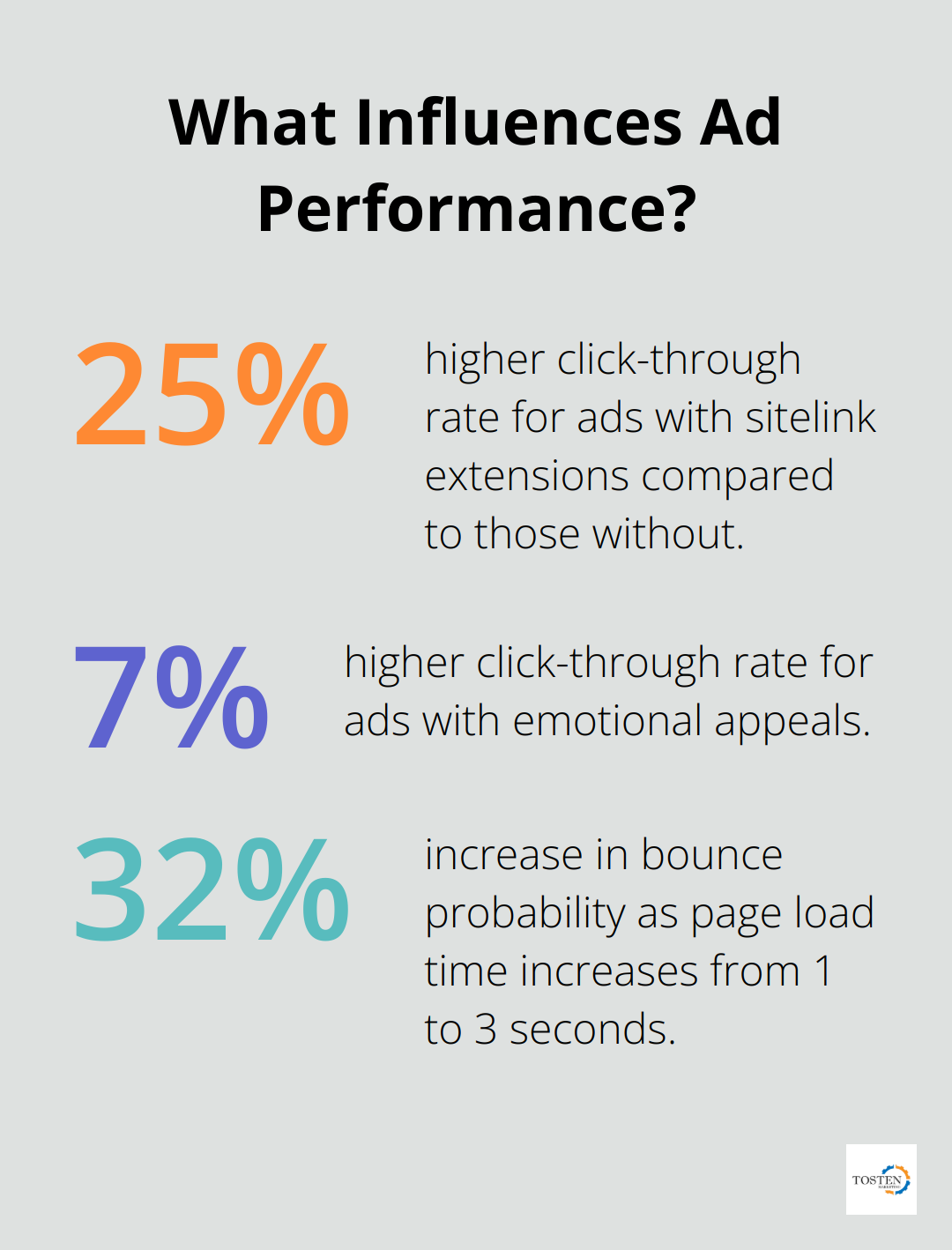
Craft ad copy that addresses your audience’s needs and pain points directly. Ads with emotional appeals have a 7% higher click-through rate. A headline like “Protect Your Family’s Future Today” can strongly resonate with life insurance prospects.
Leverage ad extensions to boost your ad’s visibility and click-through rates. Ads with sitelink extensions see a click-through rate up to 25% higher than those without.
Harness the Power of A/B Testing
A/B testing optimizes your SEM performance. Test different elements of your ads, including headlines, descriptions, and call-to-actions. For conversion campaigns, a slightly higher frequency of 5-10 per day can work better to encourage action.
Focus on one element at a time to accurately measure its impact. You might test two different headlines while keeping all other elements constant. Run your tests for at least two weeks to gather sufficient data for meaningful insights.
Optimize Landing Pages for Conversions
Your PPC efforts extend beyond the click. Landing pages play a vital role in converting visitors into leads or customers. Ensure your landing pages align with the ad copy and provide a clear, compelling call-to-action.
Including a video on your landing page can increase conversions by up to 86%. Insurance agencies could use a brief explainer video about a specific type of coverage or a testimonial from a satisfied client.
Page load speed impacts conversion rates significantly. As page load time increases from 1 to 3 seconds, the probability of bounce increases by 32%. Optimize your landing pages for speed by compressing images, minimizing code, and using browser caching.
Track and Analyze Performance
Implement robust tracking and analytics to measure the success of your SEM campaigns. Use tools like Google Analytics and Google Ads to monitor key metrics such as click-through rates, conversion rates, and return on ad spend (ROAS).
Set up conversion tracking to understand which ads and keywords drive the most valuable actions on your site. This data allows you to allocate your budget more effectively and refine your targeting strategies.
Refine Your Bidding Strategy
Develop a smart bidding strategy to maximize your SEM budget. Consider using automated bidding strategies (like Target CPA or Target ROAS) to optimize your bids based on your specific goals.
Try different bid adjustments based on device, location, and time of day to improve your ad performance. For example, you might increase bids during business hours when potential clients are more likely to be searching for insurance quotes.
To further enhance your digital marketing efforts, consider combining SEO and content marketing strategies. This powerful combination can boost your visibility, drive traffic, and achieve better engagement with your target audience.
Final Thoughts
Digital marketing SEO and SEM form a powerful combination for online success. These strategies provide immediate visibility and long-term organic growth when used together. The future of digital marketing SEO and SEM will focus on voice search optimization, AI-driven analytics, and user experience signals in search algorithms.
We at Tosten Marketing adapt to this evolving landscape through regular strategy audits and data-driven insights. Our team stays informed about the latest trends and technologies to refine targeting and messaging continually. We focus on understanding customer needs and creating compelling content that addresses those needs across all digital marketing channels.
Businesses that want to elevate their digital marketing efforts can benefit from partnering with experienced professionals. Tosten Marketing specializes in boosting online visibility for insurance agencies through tailored SEO and SEM strategies. Our commitment to driving growth in the competitive digital landscape (with over two decades of experience) positions us as a valuable partner for businesses seeking to thrive in the digital age.