
Organic search marketing SEO is the backbone of a strong online presence. It’s the art and science of making your website more visible to potential customers through search engines.
At Tosten Marketing, we’ve seen firsthand how effective SEO strategies can transform businesses. This post will guide you through the essentials of organic search optimization and show you how to boost your online visibility.
How Search Engines Work: The Foundation of SEO
Search engines are complex systems that provide users with the most relevant and useful information. Understanding their mechanics forms the basis of effective SEO strategies.
The Crawling and Indexing Process
Search engines use automated programs (bots or spiders) to crawl the web. These bots visit web pages, follow links, and collect information about the content they find. This data is then stored in massive databases (indexes), which serve as the foundation for search results.
Ranking Factors
When a user enters a query, search engines sift through their index to find the most relevant results. They consider hundreds of factors, including:
- Content relevance: How well does the page match the user’s query?
- Site authority: Is the website considered trustworthy and expert in its field?
- User experience: Is the site easy to navigate and fast to load?
- Mobile-friendliness: Does the site work well on smartphones and tablets?
On-Page, Off-Page, and Technical SEO
Effective SEO strategies address three main areas:
- On-page SEO optimizes individual web pages. This includes using relevant keywords in titles, headers, and content, as well as improving readability and user engagement.
- Off-page SEO builds the site’s reputation through backlinks from other reputable websites.
- Technical SEO ensures that search engines can easily crawl and index your site. This includes improving site speed, fixing broken links, and implementing proper URL structures.
The User Experience Factor
User experience (UX) plays a significant role in SEO. Google’s Page Experience update in 2021 made UX signals direct ranking factors. These include:
- Core Web Vitals: Metrics that measure real-world user experience for loading performance, interactivity, and visual stability of the page.
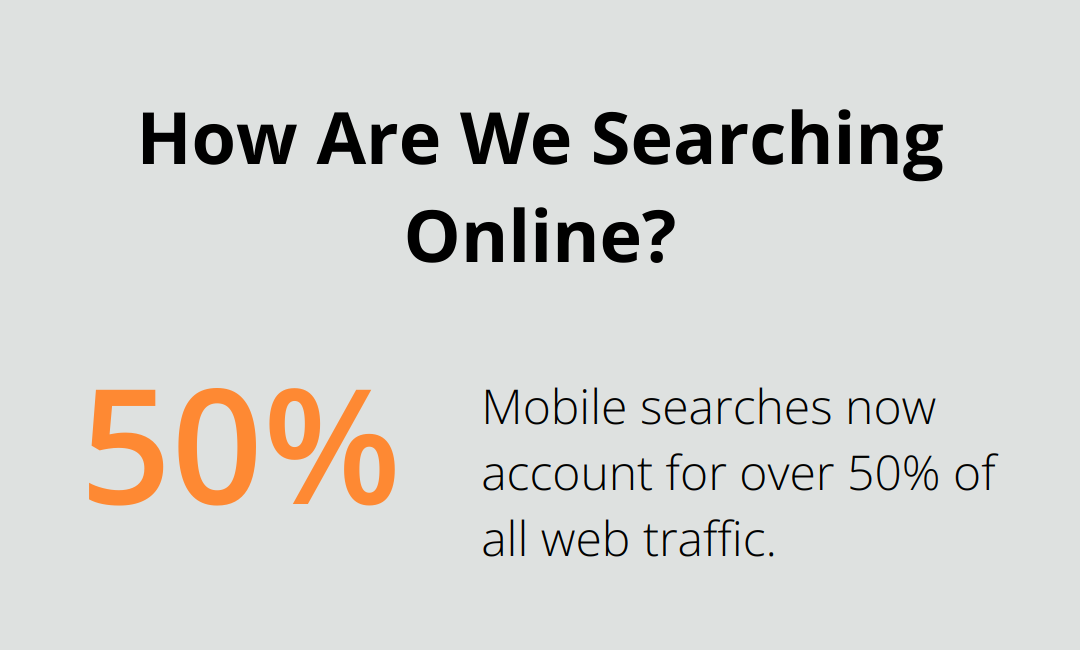
- Mobile-friendliness: Mobile searches now account for over 50% of all web traffic, making responsive design essential.
- Safe browsing: Ensuring your site is free from malware and deceptive content.
The Evolution of Search Algorithms
Search engines constantly refine their algorithms to provide better results. Recent updates focus on understanding natural language and context. This shift emphasizes the importance of creating content that truly answers user queries, rather than just targeting specific keywords.
As we move forward, let’s explore the practical strategies you can implement to optimize your website for these complex search engine algorithms and boost your online presence.
How to Dominate Search Rankings
Master Keyword Research
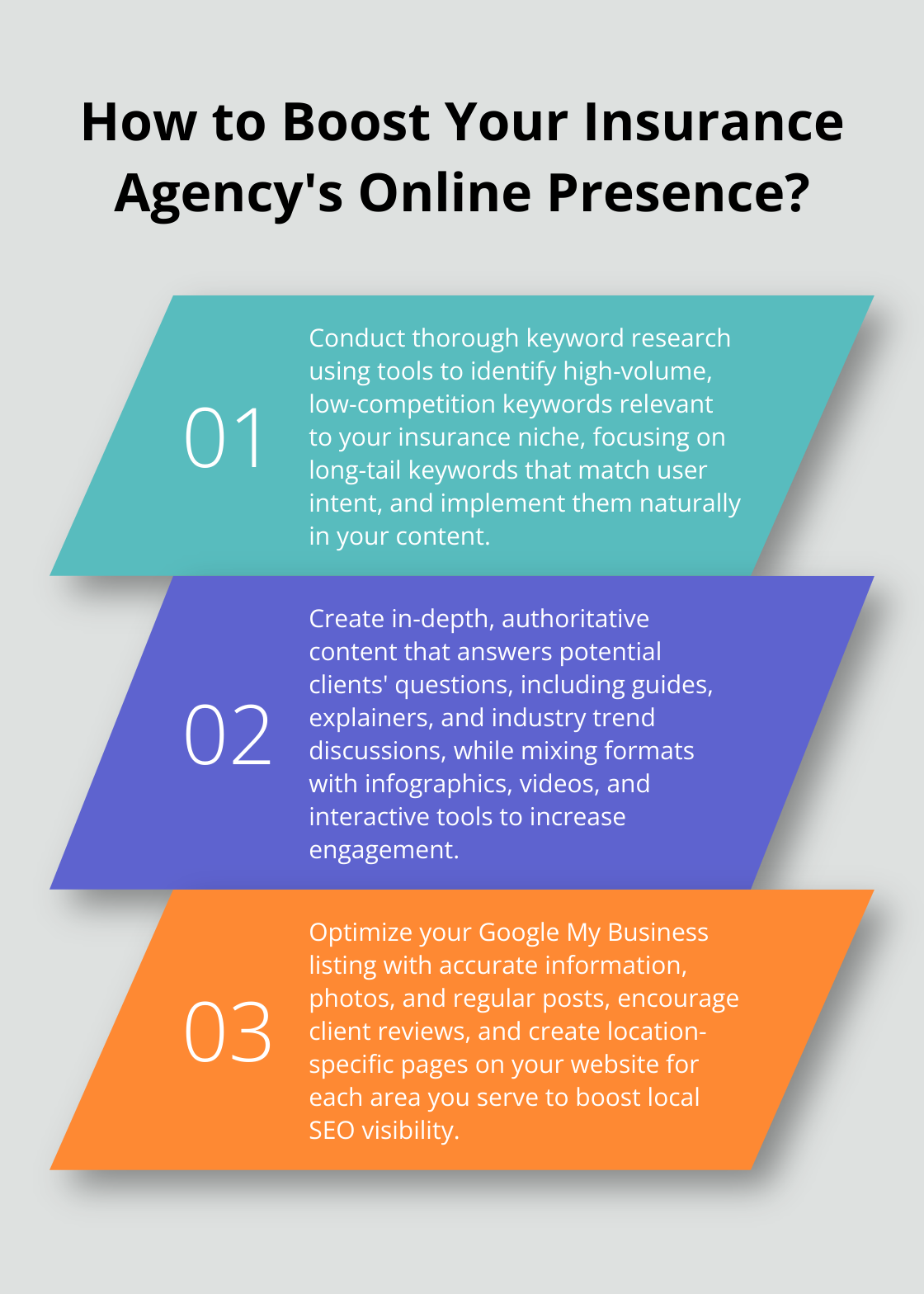
Start with thorough keyword research. Use tools to identify high-volume, low-competition keywords relevant to your insurance niche. Focus on long-tail keywords that match user intent. For example, instead of targeting “car insurance,” try “affordable car insurance for new drivers in [your city].”
Implement these keywords naturally in your content, including titles, headers, meta descriptions, and throughout your body text. Google’s algorithms understand context, so create valuable content that addresses user needs.
Create Content That Converts
Quality content forms the cornerstone of effective SEO. Develop in-depth, authoritative articles that answer your potential clients’ questions. For insurance agencies, this could include guides on choosing the right coverage, explaining complex policy terms, or discussing industry trends.
Mix up your content formats. While blog posts work well, add infographics, videos, or interactive tools like insurance calculators. These diverse content types can increase engagement and time on site (both positive signals to search engines).
Build a Strong Backlink Profile
Build a strong backlink profile. Focus on earning high-quality links from reputable insurance industry websites, local business directories, and relevant news outlets. Guest posting on industry blogs, participating in expert roundups, or creating shareable infographics can all help build your backlink profile.
Don’t overlook internal linking. Connect your content pieces to guide users (and search engines) through your site, showcasing your expertise on various insurance topics.
Optimize for Local Search
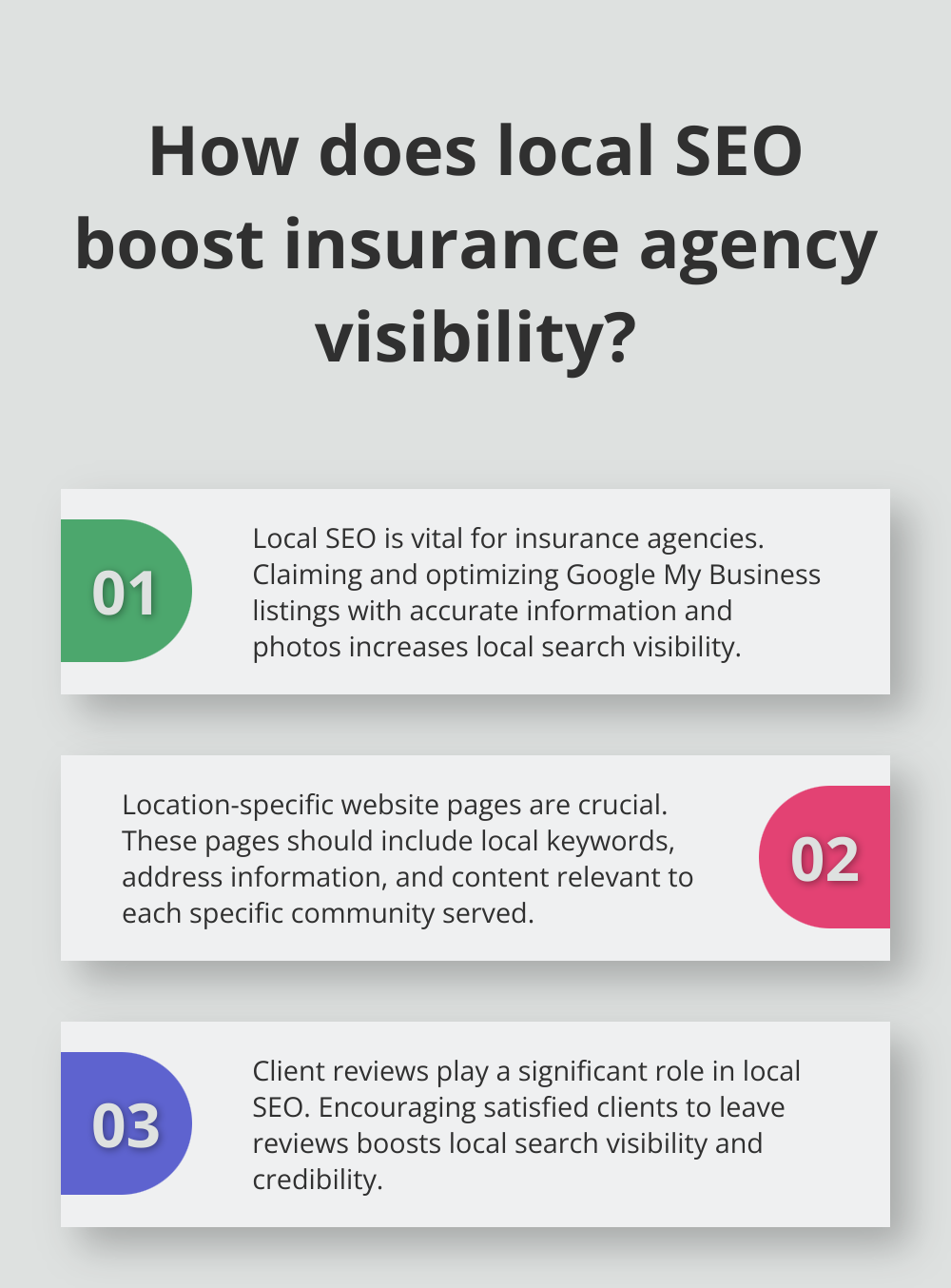
For insurance agencies, local SEO proves vital. Claim and optimize your Google My Business listing with accurate information, photos, and regular posts. Encourage satisfied clients to leave reviews – they boost local search visibility.
Create location-specific pages on your website for each area you serve. Include local keywords, address information, and content relevant to that specific community.
Leverage Social Media Strategically
While social media signals don’t directly impact rankings, a strong social presence can indirectly boost your SEO. Share your content across platforms to increase visibility and drive traffic to your site. Engage with your audience to build brand awareness and encourage social sharing, which can lead to more backlinks.
SEO requires time and consistent effort to see results, but the payoff in terms of increased visibility and qualified leads makes it worthwhile. As we move forward, let’s explore how to measure and analyze your organic search performance to ensure your SEO efforts yield the best possible results.
How to Measure SEO Success
Key Performance Indicators (KPIs) for SEO
Organic traffic forms the foundation of SEO success. Monitor the number of visitors who come to your site through search engines. Google Analytics provides detailed insights into traffic sources, which helps you identify the keywords and pages that drive the most visitors.
Conversion rate stands out as another critical metric. It’s not just about attracting traffic; it’s about transforming that traffic into leads or customers. To calculate the conversion rate for an SEO campaign, simply divide the number of conversions by the total number of visitors and multiply by 100.
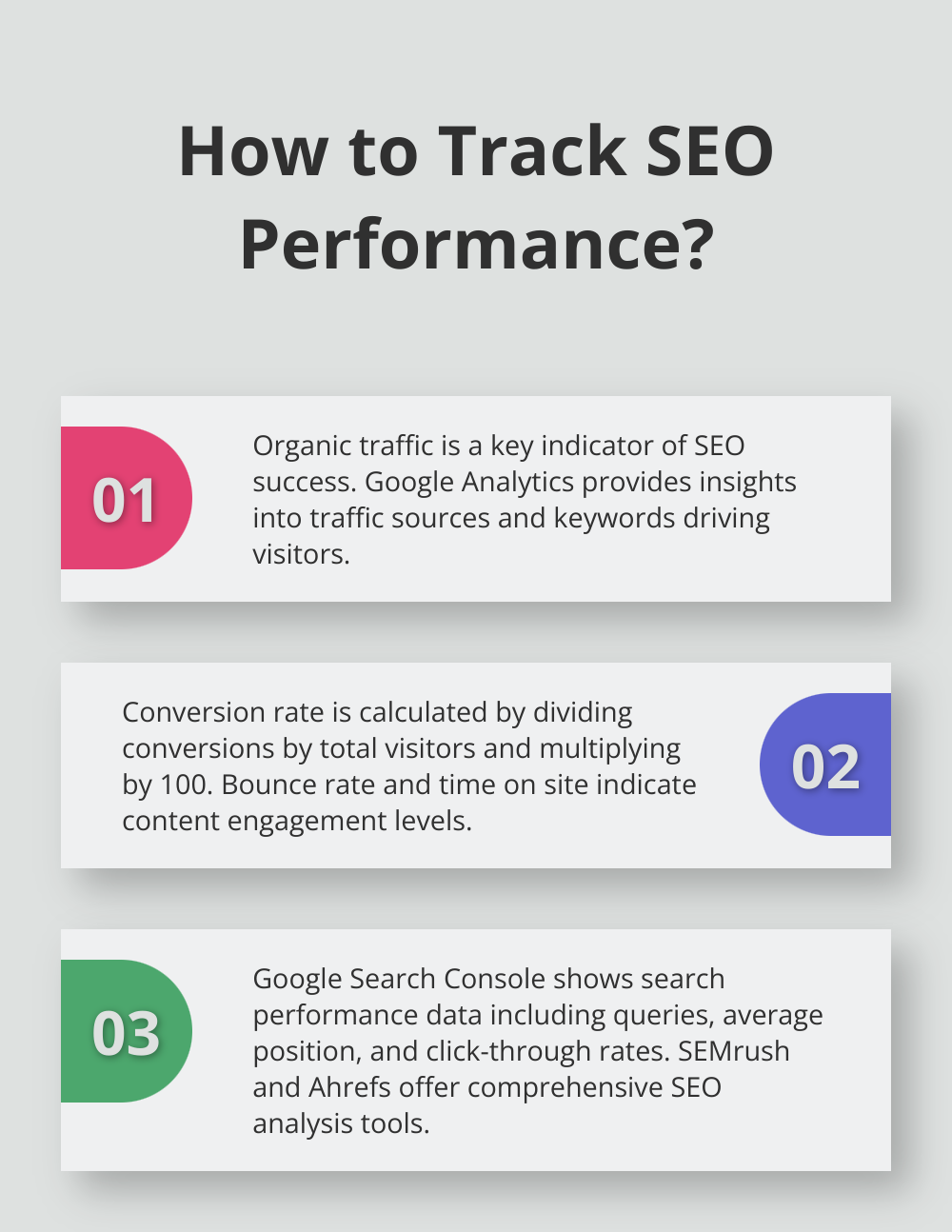
Bounce rate and time on site indicate your content’s engagement level. A high bounce rate might suggest that your content doesn’t match user intent, while a longer time on site generally indicates that visitors find your content valuable.
Tools for SEO Analysis
Google Search Console offers a wealth of information about your site’s search performance. It shows which queries your site appears for, your average position, and click-through rates. Use this data to identify opportunities for improvement and track progress over time.
SEMrush and Ahrefs provide comprehensive SEO analysis. They offer detailed keyword tracking, competitor analysis, and backlink monitoring. These tools can help you uncover new keyword opportunities and track your rankings across multiple search engines.
Refining Your SEO Strategy
Analyze your SEO data regularly to drive ongoing improvement. Look for patterns in your top-performing pages and keywords. What makes them successful? Apply these insights to other areas of your site.
Pay attention to your competitors’ strategies. Tools like SEMrush allow you to see which keywords your competitors rank for that you don’t. This can uncover new opportunities for content creation and optimization.
The Importance of SEO Audits
Conduct regular SEO audits to identify technical issues that might hold your site back. These audits should cover aspects like site speed, mobile-friendliness, and crawlability. You can identify many issues using Google’s free tools (like PageSpeed Insights and Mobile-Friendly Test).
SEO requires constant evolution. The digital landscape changes rapidly, and your strategy needs to adapt. Consistent measurement and analysis of your performance will help you stay ahead of the curve and continue to improve your organic search visibility. Technical SEO plays a crucial role in this process, encompassing elements such as content quality, keyword usage, meta tags, headings, and internal linking structure.
Final Thoughts
Organic search marketing SEO forms the foundation for insurance agencies to thrive online. It connects potential clients with agencies at the exact moment they search for insurance solutions. High rankings in search results capture leads organically, reduce reliance on paid advertising, and build trust through valuable content.
Tosten Marketing specializes in boosting the online presence of insurance agencies through tailored SEO strategies. We offer custom-built websites optimized for performance, ongoing SEO to improve search rankings, and targeted local search programs to generate leads. Our services start at $100 per month, making professional digital marketing accessible to agencies of all sizes.
The digital landscape evolves constantly, and success requires adaptation and expertise. Tosten Marketing helps insurance agencies navigate the complexities of organic search marketing SEO with confidence. Our team dedicates itself to elevating your agency’s digital footprint and reaching new heights in the online world.