
Social media lead generation has become a game-changer for businesses looking to expand their customer base. At Tosten Marketing, we’ve seen firsthand how effective strategies can transform social platforms into powerful lead-generating machines.
In this post, we’ll share proven tactics to help you harness the full potential of social media for attracting and converting high-quality leads. Get ready to supercharge your marketing efforts and drive real results for your business.
What Is Social Media Lead Generation?
Social media lead generation transforms social platforms into powerful tools for attracting and converting potential customers. At Tosten Marketing, we’ve witnessed its impact firsthand. As of October 2024, social media users reached 5.22 billion globally, equating to 63.8 percent of the total global population and creating a vast pool of potential leads for businesses.
The Power of Social Platforms
Different social networks offer unique opportunities for lead generation:
- LinkedIn excels for B2B leads (LinkedIn Lead Generation Forms boast a 13% average conversion rate)
- Facebook’s vast user base suits B2C businesses
- Instagram and TikTok shine with visual content, ideal for product-based companies
Why Social Media Leads Stand Out
Social media leads often outperform traditional methods in engagement rates. HubSpot reports that social media generates leads at a lower cost than traditional advertising, making it an efficient choice for businesses of all sizes.
Followers to Leads: Building Relationships
A key advantage of social media lead generation lies in relationship-building before the sale. The 2025 Sprout Social Index, based on surveys of over 4000 consumers and 1200 marketers, provides insights into the impact of social media on consumer behavior and brand relationships.
Targeted Campaigns Through User Data
Social platforms provide rich user data, enabling highly targeted campaigns. Facebook’s detailed targeting options (demographics, interests, behaviors) allow businesses to reach specific audiences. This precision improves lead quality and conversion rates significantly.
Content: The Cornerstone of Lead Generation
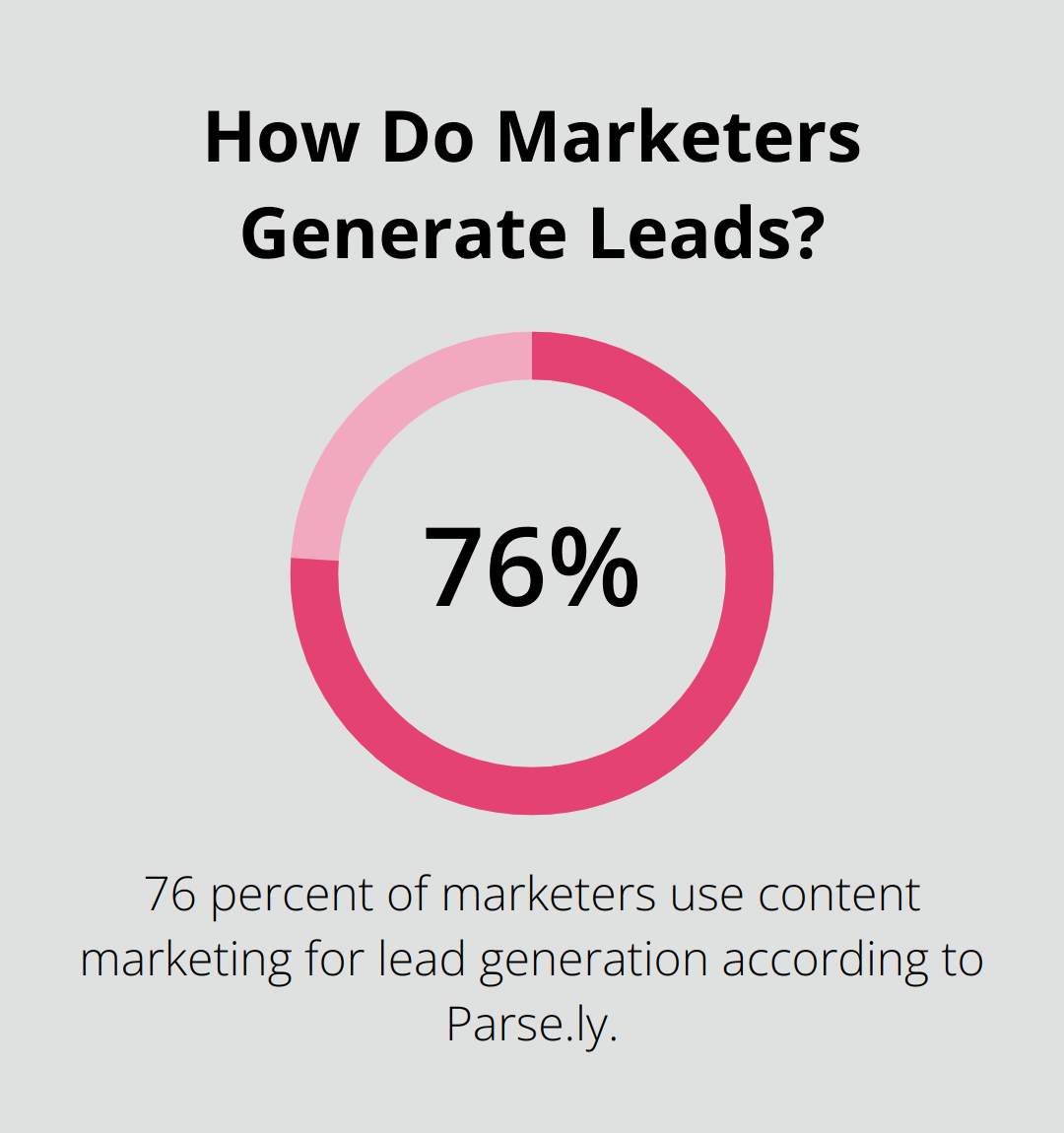
Content reigns supreme in social media lead generation. Valuable, engaging content attracts potential leads effectively. Parse.ly reports that 76% of marketers use content marketing for lead generation. This includes informative blog posts, eye-catching infographics, and educational videos.
As we move forward, we’ll explore effective strategies to maximize your social media lead generation efforts and turn these insights into actionable results for your business.
How to Maximize Social Media Lead Generation
Create Content That Sparks Engagement
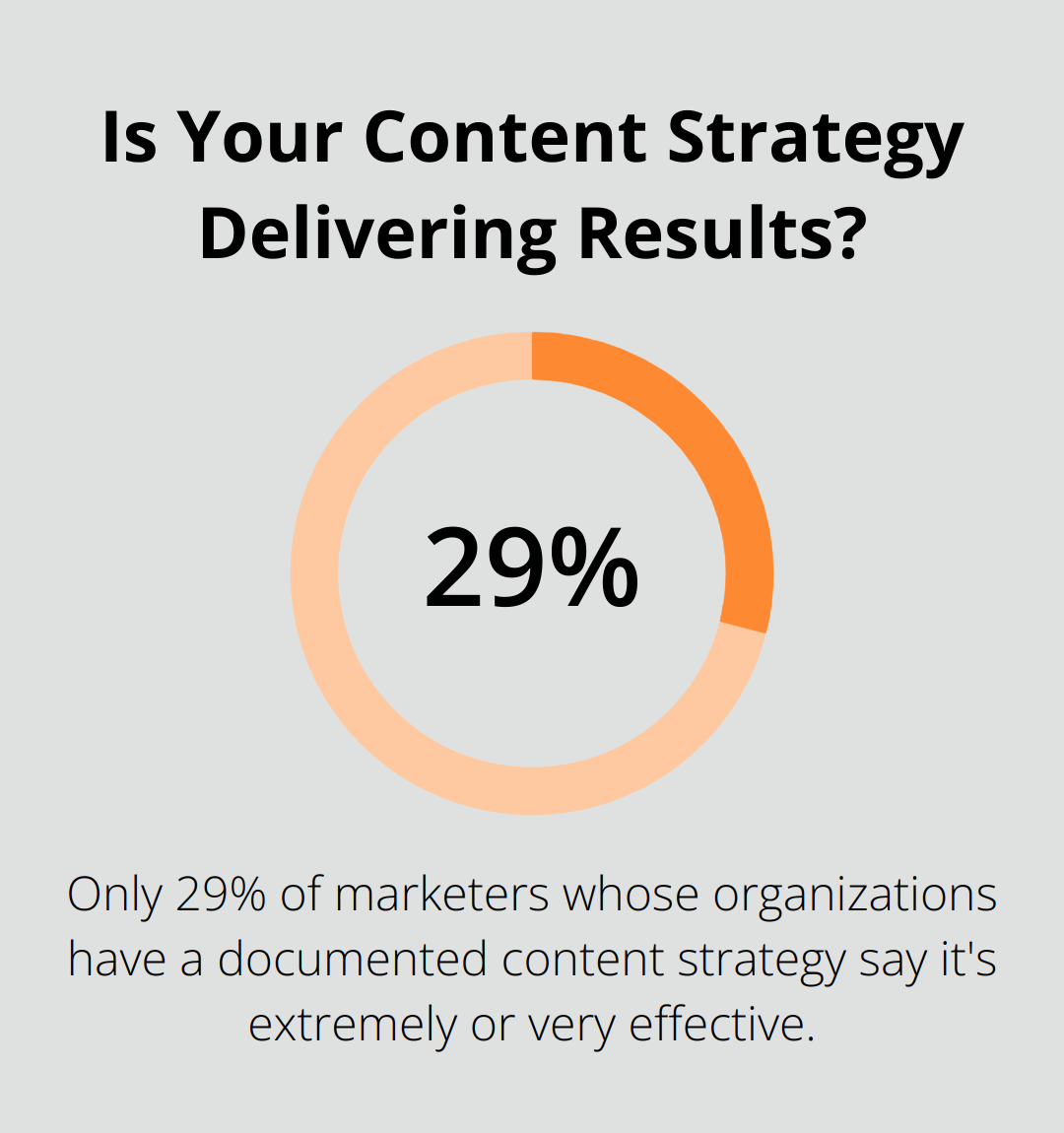
Content fuels social media engagement. To generate leads effectively, focus on creating content that resonates with your target audience. Only 29% of marketers whose organizations have a documented content strategy say it’s extremely or very effective.
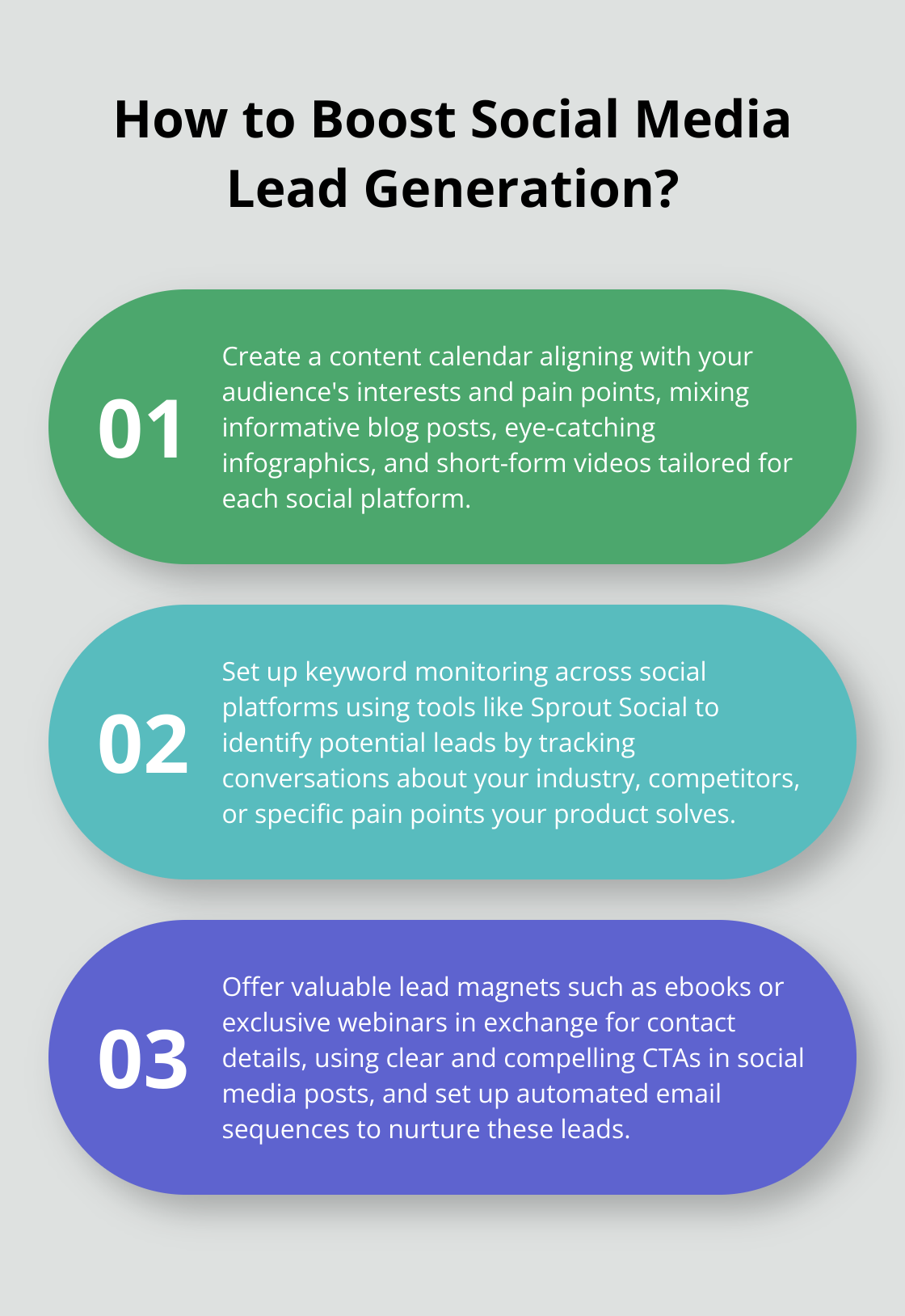
Develop a content calendar that aligns with your audience’s interests and pain points. Mix up your content types – use informative blog posts, eye-catching infographics, and short-form videos.
Optimize your content for each platform. What works on LinkedIn might not perform as well on Instagram. Tailor your message and format to suit each platform’s unique audience and features.
Harness the Power of Paid Advertising
While organic reach provides value, paid advertising can significantly amplify your lead generation efforts.
When setting up paid campaigns, use the detailed targeting options available on platforms like Facebook and LinkedIn. These allow you to reach specific demographics, interests, and behaviors, ensuring your ads reach the most relevant audience.
Try lead generation ad formats, which allow users to submit their information directly within the ad.
Leverage Social Listening for Lead Identification
Social listening offers an often-overlooked strategy for lead generation. Monitor conversations about your industry, competitors, or specific pain points your product solves to identify potential leads and engage with them at the right moment.
Use tools like Sprout Social (or Tosten Marketing if you need a top-tier solution) to set up keyword monitoring across various platforms. Look for people asking questions related to your products or services, or expressing frustration with competitor offerings. These present prime opportunities to step in with helpful information or solutions, positioning your brand as a valuable resource.
Implement Lead Magnets and Gated Content
Lead magnets prove effective in capturing contact information from potential customers. Offer valuable resources such as ebooks, whitepapers, or exclusive webinars in exchange for email addresses or other contact details.
To maximize your success, ensure your lead magnet addresses a specific pain point or provides unique insights that your audience can’t easily find elsewhere.
When promoting your lead magnets, use clear and compelling calls-to-action (CTAs) across your social media posts. A/B test different CTA formats and messaging to find what resonates best with your audience.
Follow up promptly with leads who download your content. Set up automated email sequences to nurture these leads and guide them further down your sales funnel.
These strategies will transform your social media presence into a lead-generating powerhouse. Next, we’ll explore how to measure and optimize your social media lead generation efforts for continuous improvement.
How to Measure Social Media Lead Generation Success
Conversion Rate: The Primary Metric
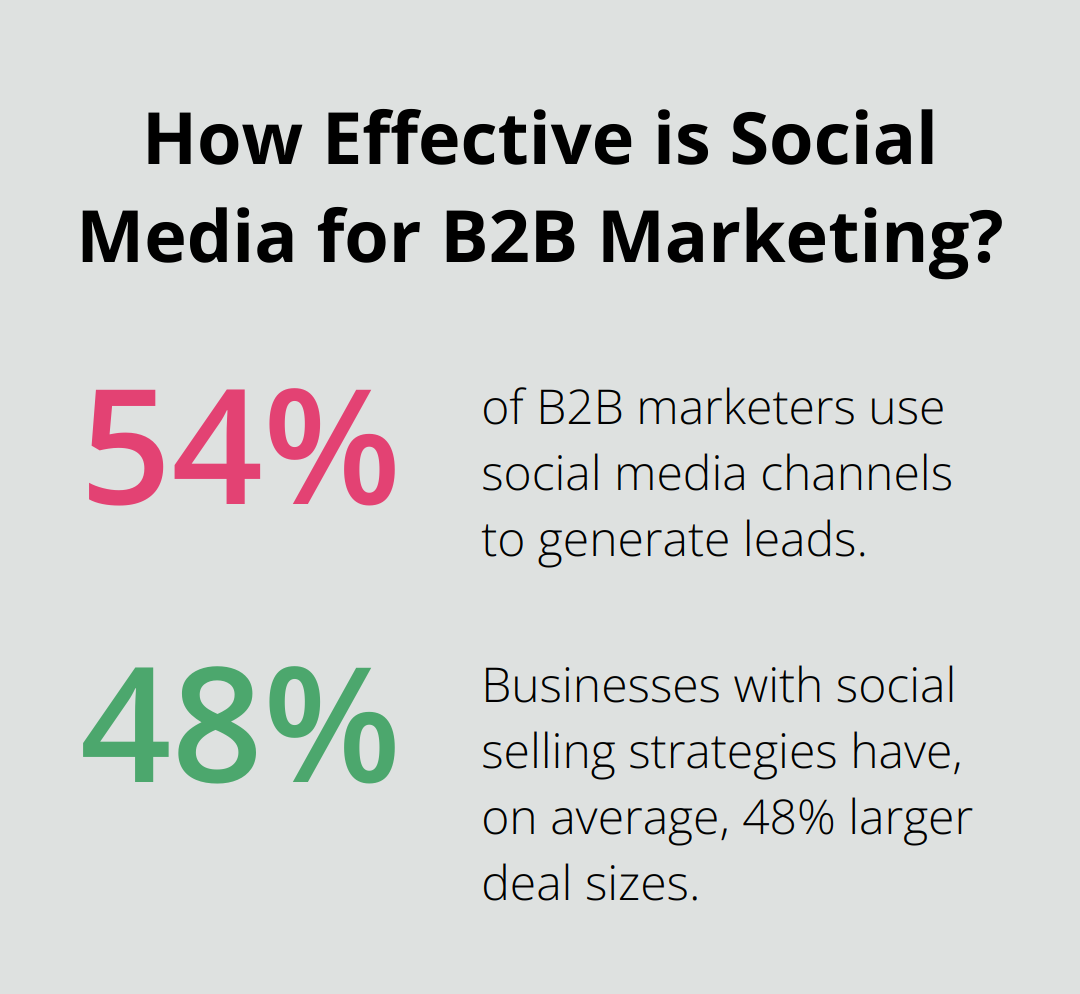
Conversion rate stands out as the most important metric for social media lead generation. It measures the percentage of users who take a desired action, such as filling out a form or signing up for a newsletter. 54% of B2B marketers use social media channels to generate leads, and businesses with social selling strategies have, on average, 48% larger deal sizes. Try to exceed these benchmarks by refining your targeting and messaging.
Cost Per Lead (CPL): Maximizing ROI
Understanding your cost per lead helps you allocate your budget more effectively. The average CPL across industries is $198.44 (as reported by HubSpot). However, this varies widely depending on your sector and target audience. Monitor your CPL closely and compare it against industry standards to ensure you get the best return on your investment.
Click-Through Rate (CTR): Assessing Content Appeal
CTR indicates how compelling your content is to your audience. A high CTR suggests that your messaging resonates with your target market. The average CTR for Facebook ads across all industries is 0.90% (according to WordStream). If your CTR falls below this benchmark, revisit your ad copy and visuals.
Lead Quality: Prioritizing Value
While generating a high volume of leads is important, lead quality ultimately determines your campaign’s success. Use lead scoring to assess the potential value of each lead. Implement a system that assigns points based on demographic information, engagement level, and behavior on your website. This approach allows you to prioritize high-quality leads and tailor your follow-up strategies accordingly.
Tools for Comprehensive Analysis
To effectively measure these metrics, you need robust analytics tools. Google Analytics tracks website conversions from social media traffic. For platform-specific insights, each social network offers its own analytics dashboard. Facebook Insights, for instance, provides detailed data on ad performance and audience engagement.
For a more holistic view of your social media performance, consider using a specialized social media management tool. While there are many options available (such as Hootsuite or Sprout Social), Tosten Marketing offers a comprehensive solution that integrates seamlessly with your existing marketing stack, providing real-time insights and actionable recommendations.
Continuous Improvement Through A/B Testing
A/B testing refines your social media lead generation strategy. Test different elements of your campaigns, including ad copy, images, call-to-action buttons, and targeting parameters. Run these tests systematically, changing only one variable at a time to accurately measure its impact.
When A/B testing Facebook ads, try for statistical significance by running each variation for at least a week and reaching a minimum of 1,000 impressions. This approach ensures that your results are reliable and can inform meaningful improvements to your strategy.
The social media landscape evolves rapidly, and what works today may not be as effective tomorrow. Regularly review your metrics, adjust your approach based on data-driven insights, and stay informed about emerging trends in social media marketing. Success can be measured through various key performance indicators (KPIs) such as improved conversion rates, lower CPL, and higher CTRs.
Final Thoughts
Social media lead generation transforms how businesses connect with potential customers. Companies must create engaging content, use paid advertising strategically, and implement lead magnets to capture valuable information. Social listening identifies potential leads and allows timely engagement, while emerging technologies like AI enable more precise targeting and personalization.
Businesses should define their target audience and goals, develop a content calendar, and invest in paid advertising to amplify their reach. A/B testing refines approaches continually, while tracking key metrics (conversion rates, cost per lead, click-through rates) measures success and identifies improvement areas. Video content, especially short-form, will likely dominate social platforms, offering new lead generation opportunities.
Tosten Marketing offers comprehensive digital marketing services tailored to insurance agencies, including social media management and lead generation strategies. With over 20 years of experience, we help businesses navigate the complex world of social media lead generation and achieve their growth objectives. Our focus on shared success drives real results and sustainable growth for our clients.